- All
- Product Name
- Product Keyword
- Product Model
- Product Summary
- Product Description
- Multi Field Search


| Material: | |
|---|---|
| production process: | |
| lead time: | |
| Quantity: | |
QR
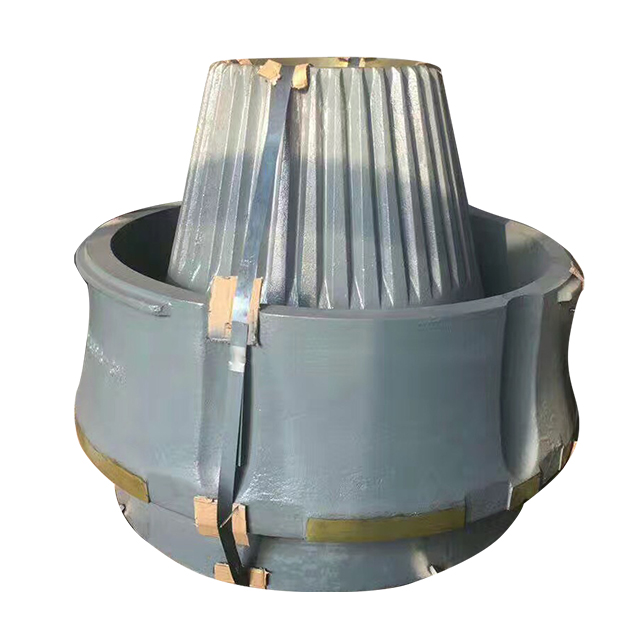
Qirun supplies bi-metal composite roll shells for roll crushers processing highly abrasive materials such as quartzite, corundum, silica-rich minerals, and industrial slag.
These wear-resistant crusher roll shells combine a hard high chromium alloy working layer with a tough steel backing. The composite structure is designed to provide abrasion resistance at the material-contact surface while supporting mechanical loads through the backing layer.
With a published wear layer hardness of HRC 58–63, Qirun's bi-metal roll shells are available with customized dimensions, crushing profiles, and mounting specifications based on customer drawings and equipment requirements.
Parameter | Specification |
|---|---|
Product Name | Bi-Metal Composite Roll Shell |
Brand | Qirun / QR |
Product Category | Double Roller Crusher Parts |
Product Type | Composite Crusher Roll Shell |
Material Structure | High Chromium Alloy Wear Layer + Steel Backing |
Wear Layer Material | High Chromium Wear-Resistant Alloy |
Backing Material | Tough Steel, Grade to Be Confirmed |
Published Wear Layer Hardness | HRC 58–63 |
Composite Manufacturing | Composite Casting, Subject to Confirmed Process |
Published Casting Process | Sand Casting |
Wear Layer Thickness | According to Technical Drawings |
Roll Shell Outer Diameter | Customized |
Roll Shell Inner Diameter | Customized |
Roll Shell Length | Customized |
Crushing Surface | Smooth, Toothed or Customer-Specified Profile |
Mounting Configuration | According to Crusher Roll Assembly |
Applications | Quartzite, Corundum, Silica-Rich Minerals, Suitable Industrial Slag |
OEM Service | Custom Dimensions, Material Specifications, Replacement Castings |
Reference Lead Time | 20–30 Days, Subject to Order Confirmation |
Quality Inspection | Material, Bond Integrity and Dimensional Inspection as Agreed |
The hardness and lead-time ranges follow the published product information. Actual alloy composition, layer thickness, joining method, dimensions, bonding inspection, and delivery schedule must be confirmed for each order.
The key characteristic of this roll shell is its composite material structure.
Unlike a conventional single-alloy roll shell, the bi-metal design combines materials with different mechanical properties in one component.
The outer high chromium alloy layer is exposed directly to abrasive feed materials.
Hard chromium carbide phases contribute to abrasion resistance during repeated contact with quartz-rich minerals and other hard particles.
The original product information lists a wear layer hardness of HRC 58–63.
Actual hardness and wear performance depend on alloy composition, microstructure, layer thickness, and heat treatment.
The backing layer supports the high chromium working surface and transfers crushing loads to the underlying roll assembly.
Its material properties and geometry are important to component strength and mounting reliability.
The steel grade, toughness requirements, and installation method should be specified according to the actual crusher design.
The interface between the two materials is an important feature of the composite construction.
Its manufacturing quality affects the ability of the component to withstand mechanical and thermal stresses during operation.
Bonding method, inspection procedures, and acceptance criteria should be established according to the approved manufacturing specification.
The high chromium working layer is designed for applications involving substantial abrasive wear.
Hard mineral particles can cause scratching, gouging, and progressive loss of material from crushing surfaces.
The carbide-rich alloy helps resist these wear mechanisms under suitable operating conditions.
The bi-metal structure combines a hard outer working surface with a steel backing.
This allows the component design to address abrasion resistance and structural support using different materials.
Actual performance depends on the alloy grades, layer geometry, bond integrity, and mechanical loading.
Different roll crushers require different working surface geometries.
Qirun supports custom roll shell manufacturing according to customer drawings.
Customization can include:
Smooth crushing surfaces
Toothed roll shell profiles
Grooved working surfaces
Roll shell diameter and length
Wear layer thickness
Mounting holes and keyways
Other specified installation features
Available profiles must be confirmed according to the material construction and manufacturing feasibility.
Accurate dimensions are essential for replacement component installation.
Qirun supports customized shell dimensions based on approved drawings, existing component measurements, and equipment requirements.
The supplied shell must match the applicable roll assembly and mounting configuration.
Qirun provides custom crusher casting and replacement part inquiries for demanding industrial applications.
Customers can submit drawings, crusher models, material requirements, and existing component specifications for technical review.
Bi-metal composite roll shells and Mn18Cr2 manganese steel roll shells have different material structures and wear characteristics.
Feature | Bi-Metal Composite Roll Shell | Mn18Cr2 Roll Shell |
|---|---|---|
Material Structure | High Chrome Wear Layer + Steel Backing | High Manganese Steel |
Main Advantage | Abrasion Resistance | Impact Toughness |
Wear Mechanism | Hard Chromium Carbides | Work Hardening Under Suitable Loads |
Surface Hardness | HRC 58–63 Published Wear Layer Range | Work-Hardening Dependent |
Impact Tolerance | Depends on Alloy and Bonding Design | Generally High |
Typical Application | High-Abrasion Mineral Crushing | Impact-Intensive Toothed Crushing |
Key Consideration | Wear Layer and Bond Integrity | Crushing Load and Work-Hardening Conditions |
Neither material is universally superior.
The appropriate construction depends on crusher design, feed abrasiveness, impact intensity, and operating requirements.
Qirun supports custom manufacturing inquiries for bi-metal composite crusher roll shells.
Our services can include:
High chromium wear layer specifications
Steel backing material requirements
Custom outer and inner diameters
Shell length and wall thickness
Crushing tooth or surface profiles
Wear layer thickness requirements
Manufacturing based on customer drawings
Mounting features and machining requirements
Inspection according to agreed specifications
Please provide:
Roll crusher manufacturer and model
Original roll shell drawing or part number
Outer diameter, inner diameter, and length
Wear layer thickness requirements
Required crushing surface profile
Feed material and operating conditions
Required quantity and delivery destination
This information helps Qirun review material construction, manufacturing feasibility, and dimensional requirements.
Looking for wear-resistant composite roll shells for crushing quartzite, corundum, silica-rich materials, or industrial slag?
Qirun supplies customized crusher wear castings and replacement roll shells for demanding industrial crushing applications.
Send us your crusher model, technical drawings, wear layer requirements, and component dimensions to discuss material specifications and OEM manufacturing options.
Email: vip@qrcrusher.com
Request a Quote | Send Your Drawings