
- All
- Product Name
- Product Keyword
- Product Model
- Product Summary
- Product Description
- Multi Field Search
Views: 0 Author: Site Editor Publish Time: 2026-03-19 Origin: Site
Struggling with frequent crusher downtime? Choosing the right Crusher Parts boosts performance and lifespan. In this article, you will learn how Qirun ensures reliable, durable, and efficient components for mining equipment.
Crusher parts are the essential components that keep mining equipment running smoothly. They come in two main categories: wear parts, which endure constant impact and abrasion, and structural or spare parts, which support the machine’s framework and movement. Wear parts like jaw plates, mantles, concaves, blow bars, rollers, and liners take the brunt of crushing hard rocks or ore. They absorb energy, resist abrasion, and maintain consistent output. Structural components, on the other hand, like shafts, bushings, and bearings, ensure that crushers operate efficiently under high stress.
Key points about crusher parts include:
● Material selection affects durability and performance under heavy loads. High manganese steel and high chromium alloys are common.
● Proper maintenance prevents premature failure. They often last longer when monitored closely.
● Correct pairing of wear parts and structural parts maximizes efficiency and reduces downtime.
Crusher Part Type | Examples | Function | Material Considerations |
Jaw Crushers | Jaw plates, cheek plates, toggle plates | Crush large rocks into smaller pieces | Mn13, Mn18, Mn22 high-manganese steel |
Cone Crushers | Mantles, concaves, bushings, liners | Reduce particle size through compression | Mn13Cr2, Mn18Cr2, Mn22Cr2 |
Impact Crushers | Blow bars, hammers, impact plates | Break materials by impact | Cr26, Cr27, Cr27Mo2 high-chrome alloys |
Roller Crushers | Toothed roll shells, side plates | Crush by compression and shear | Alloyed steel with abrasion resistance |
These parts are carefully designed to match the stresses of different crusher types. At Qirun, they produce factory-direct, wear-resistant castings. Their jaw plates, mantles, and concaves are heat-treated for high hardness and toughness, ensuring parts last in demanding quarry and mining operations.
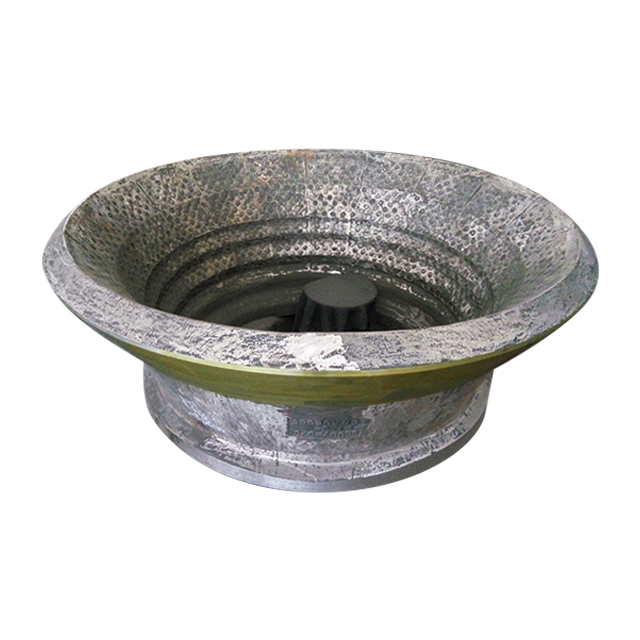
Each crusher type uses its parts differently. Jaw crushers rely on jaw plates to break material by compression between a fixed and a movable plate. Cheek plates support the crusher frame while toggle plates transmit force and protect the machine from overload. Cone crushers use mantles and concaves, which crush rock with a rotating motion. Bushings maintain alignment, and liners protect the body. Impact crushers break rock with hammers or blow bars that strike material at high speed, relying on impact resistance. Roller crushers have toothed shells and side plates that crush material between rotating cylinders, ideal for medium hardness ores.
They also differ in maintenance needs:
● Jaw and cone crushers require periodic rotation of wear parts to ensure even wear.
● Impact crusher components need inspection for cracks and surface fatigue.
● Roller shells may need adjustment or replacement based on feed size and abrasive content.
Qirun emphasizes custom solutions. They adjust dimensions and material composition for specific operating conditions, so parts fit precisely and perform reliably.
Using precision-cast, high-manganese steel parts, they extend wear life and reduce maintenance interruptions. Each part undergoes rigorous inspection, including hardness testing, chemical analysis, and flaw detection, ensuring consistent quality across the product line.
Choosing the right crusher parts material is crucial for reliability. High manganese steel like Mn13, Mn18, and Mn22 is commonly used in jaw and cone crushers. It hardens during operation, increasing wear resistance under constant impact. High chromium alloys such as Cr26, Cr27, and Cr27Mo2 are ideal for impact crushers because they resist abrasion while handling high-speed collisions. Specialized applications, such as double roller crushers or VSI parts, may use alloy steels or composite metals to balance toughness and durability.
● High manganese steel: absorbs heavy stress, maintains hardness over time, ideal for high-abrasion feed.
● High chromium alloys: resist cracking and wear under repeated impact, extend part life.
● Composite metals: designed for mixed load conditions, providing a compromise between toughness and hardness.
Material Type | Typical Crusher Part | Key Advantage | Application Focus |
Mn13 / Mn18 / Mn22 | Jaw plates, cone liners | Work-hardening, high abrasion resistance | Jaw & cone crushers |
Cr26 / Cr27 / Cr27Mo2 | Blow bars, impact plates | High impact resistance | Impact crushers |
Alloy steel / Composites | Roll shells, liners | Customizable toughness | Specialized crushers |
At Qirun, they select raw materials carefully and alloy them with elements like molybdenum and rare earth lanthanum to improve toughness. Parts go through heat treatment and precision inspection, ensuring consistent performance in heavy-duty mining operations.
The material determines how long crusher parts last under operational stress. Wear resistance is affected by the abrasiveness of the feed material, the energy of impacts, and environmental conditions like moisture. Choosing the wrong steel grade can cause rapid wear, frequent replacements, and production delays. The correct material balances hardness and ductility, helping parts resist cracking, chipping, and surface fatigue.
Key factors influencing wear life include:
● Abrasiveness of the material:
Harder materials like granite demand higher manganese or chromium grades than softer materials such as limestone. Selecting the right alloy prevents excessive erosion and extends service life.
● Operating load:
Heavy ores or continuous high-throughput operations generate more stress on parts. Using stronger alloys ensures the crusher maintains performance and avoids frequent failures.
● Environmental conditions:
Moisture, chemical exposure, or extreme temperatures can accelerate corrosion or surface wear. Proper material selection and protective treatments can minimize these effects.
● Maintenance practices:
Regular inspections, cleaning, and proper alignment reduce uneven wear and prolong part lifespan.
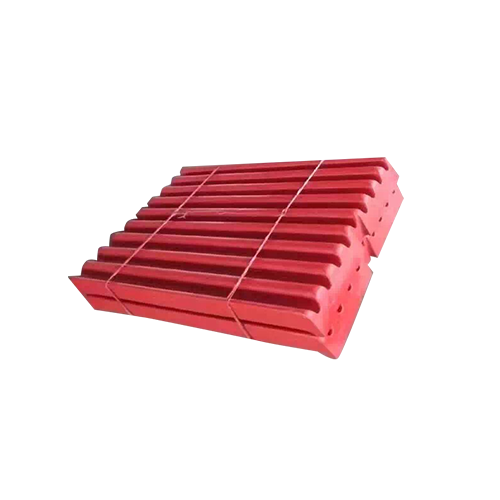
Selecting proper materials requires careful assessment of crusher type, feed material, and production requirements. Each factor influences the part’s durability and overall operational efficiency.
● Match material hardness to crusher type:
Jaw crushers need high-manganese steel for impact resistance; cone crushers rely on Mn13Cr2 or Mn18Cr2 for long wear life; impact crushers perform best with high-chrome alloys; roller crushers may use specialized composites.
● Consider feed characteristics:
Soft limestone, hard granite, recycled concrete, or mixed aggregates require different wear resistance levels. Choosing the correct material prevents early failure and maintains throughput consistency.
● Evaluate operational volume:
High-production operations benefit from parts with longer wear life, even if initial cost is higher. Investing in premium alloys reduces replacement frequency and total operational costs.
● Consult technical support:
Suppliers like Qirun provide guidance on alloy selection, heat treatment, and customization to optimize performance under specific conditions.
● Track past wear data:
Reviewing historical wear patterns can help select materials that address the toughest stress points in your crusher system.
Ensuring crusher parts fit correctly is essential for smooth operation. Misaligned components can cause vibration, uneven wear, and even premature failure. OEM-compatible parts guarantee that jaw plates, mantles, and concaves match the crusher’s design, allowing it to maintain efficiency under heavy load. Regular checks of shaft alignment, liner seating, and bearing placement help detect early issues. They prevent stress on the machine and minimize downtime. At Qirun, parts are precision-cast and heat-treated, so alignment is consistent across all production batches.
Key points for fit and alignment:
● Measure and verify critical dimensions before installation.
● Inspect wear surfaces and tolerances to prevent uneven crushing.
● Rotate and replace parts periodically to maintain uniform wear.
Choosing between aftermarket and OEM crusher parts can be tricky. OEM parts provide guaranteed fit and performance, but may cost more upfront. Aftermarket options offer cost savings and sometimes faster availability, but require careful verification of dimensions, tolerances, and material properties.
Part Type | OEM Advantage | Aftermarket Consideration | Notes |
Jaw Plates | Exact fit, tested | Check hardness & manganese grade | OEM reduces risk of misalignment |
Cone Liners | Precise matching | Inspect alloy composition | Wear life may vary |
Blow Bars | Standardized quality | Confirm weight and impact rating | Can save cost but verify |
We recommend confirming technical specifications and compatibility with the supplier. They can provide detailed inspection reports and test certificates for aftermarket parts, reducing risk in operation.
A trusted supplier ensures consistent quality, technical support, and warranty coverage. Look for companies with factory-direct production, strict quality control, and experience in manufacturing wear-resistant parts. Checking customer reviews, production capacity, and certifications helps evaluate reliability.
● Supplier support includes installation guidance, material recommendations, and replacement advice.
● Qirun emphasizes custom solutions, adapting part dimensions and materials to your crusher type.
● Warranty and return policies matter, especially for high-stress applications, ensuring you can replace defective or incompatible parts without production delays.
Reliable supplier selection reduces downtime and ensures that crusher parts perform consistently across the lifespan of your mining equipment.
Keeping track of crusher parts wear is essential for smooth operations. Regular inspections help spot cracks, uneven wear, or surface fatigue before serious damage occurs. Measuring wear parts like jaw plates, mantles, concaves, and blow bars allows operators to predict replacements accurately. Predictive maintenance tools, such as digital wear sensors or inspection charts, can alert staff when performance drops. They prevent sudden downtime, improve efficiency, and keep production steady.
Key actions for monitoring:
● Check thickness and alignment of jaw plates or liners every few weeks.
● Record wear patterns to identify high-stress areas.
● Monitor crusher throughput and energy consumption for early warning signs.
Replacing parts at the right time extends their life and maintains throughput. Rotating jaw plates or concaves spreads wear evenly, avoiding uneven crushing. Scheduling replacements according to production load and operational demands prevents unexpected stoppages. Qirun supports tailored solutions, providing guidance on part rotation and replacement intervals.
Component | Recommended Practice | Frequency |
Jaw Plates | Rotate position, inspect edges | Every 2-4 weeks depending on load |
Mantles & Concaves | Alternate positions to balance wear | Monthly or per production cycle |
Blow Bars | Check for cracks or deformation | Before major production runs |
They also offer customized alerts and replacement advice to align with the plant’s operational goals, helping minimize costs from unplanned downtime.
Choosing the right crusher parts is more than price; it’s about total cost of ownership. Higher-quality components may cost more upfront, but their longer lifespan reduces frequent replacements and lost production. Balancing initial cost versus durability ensures efficiency. Investing in premium manganese steel or high-chrome alloys often saves money over time by minimizing maintenance and extending operational life.
Points to remember:
● Consider wear life relative to production volume.
● Include downtime, labor, and replacement logistics in cost calculations.
● Prioritize parts that combine durability, compatibility, and reliability.
Suppliers like Qirun offer factory-direct parts customized to your crusher model, material hardness, and operational conditions. They can adjust alloy composition, part dimensions, and heat treatment to meet specific requirements. Technical support ensures correct installation, monitoring, and maintenance advice. This combination of customization and guidance helps you get the most out of each crusher part, improving uptime and reducing long-term costs.
Advantages of tailored support include:
● Parts designed for exact crusher type and feed material.
● Heat-treated components for consistent hardness and toughness.
● Expert advice on predictive maintenance and replacement schedules.
Choosing reliable crusher parts is essential for efficient mining operations. Qirun provides wear-resistant jaw plates, cone liners, mantles, and impact components that deliver durability, precision fit, and extended service life. Their factory-direct, custom solutions and technical support help mining equipment operate smoothly, reduce downtime, and lower long-term maintenance costs.
A: Crusher parts are essential components that break down rocks and ores into smaller sizes. They ensure mining equipment runs smoothly, maintain consistent output, and protect the crusher from damage during operation.
A: Selecting the correct crusher parts involves matching them to your crusher type, feed material hardness, and production requirements. Proper fit and material choice optimize efficiency and extend wear life.
A: The material determines durability, wear resistance, and ability to withstand impact. High manganese steel and high-chrome alloys can significantly extend the service life and reduce maintenance frequency.
A: High-quality aftermarket parts can perform well if verified for proper fit, tolerance, and material properties. Ensure the supplier provides inspection reports and technical guidance to maintain performance.
A: Qirun offers factory-direct, wear-resistant crusher parts and technical assistance. Their team provides tailored solutions, guidance on installation, and advice for monitoring wear, ensuring equipment runs efficiently.


