
- All
- Product Name
- Product Keyword
- Product Model
- Product Summary
- Product Description
- Multi Field Search
Views: 0 Author: Site Editor Publish Time: 2026-03-19 Origin: Site
Ever wondered why crushers fail prematurely? Crusher Parts play a crucial role in mining efficiency. In this guide, you will learn how to select durable, high-performance parts for every crusher type.
Crusher Parts are the components that directly interact with raw materials during crushing. They face constant impact, pressure, and abrasion. Because of this, they are designed to be replaceable rather than permanent. In real mining operations, these parts determine how efficiently equipment can break down rock and ore.
There are two main categories you need to understand:
● Wear Parts
These are designed to wear out over time. They take the direct force of crushing. In daily operations, they must be replaced regularly to maintain performance. If ignored, they can cause damage to the main equipment structure.
● Spare Parts
These support the machine but do not directly contact materials. They usually last longer. However, failure of these parts can still stop production completely.
To make it clearer, here is a structured comparison:
Category | Function | Contact with Material | Replacement Frequency | Examples |
Wear Parts | Handle crushing and abrasion | Direct | High | Jaw plates, blow bars, liners |
Spare Parts | Support machine operation | Indirect | Low | Bearings, shafts, hydraulic parts |
In practical applications, the most common Crusher Parts include:
● Jaw plates used in primary crushing stages
● Mantles and concaves for cone crushers
● Blow bars and impact plates in impact crushers
● Liners and mill components for grinding systems
Each of these parts plays a different role. They work together to ensure stable crushing performance across multiple stages.
Crusher Parts are not just consumables. They directly influence how the entire system performs. When properly selected, they help maintain stable output and reduce unnecessary energy loss.
Here are the key ways they affect performance:
● Crushing efficiency
Well-designed Crusher Parts maintain proper chamber geometry. This ensures materials are crushed evenly. It also reduces recirculation and improves throughput. Poor-quality parts often lead to blockages or inefficient crushing.
● Particle size distribution
The shape and profile of parts like jaw plates or mantles determine final product size. If the geometry changes due to wear, output becomes inconsistent. That can affect downstream processing and product quality.
● Energy consumption
Efficient Crusher Parts reduce resistance during crushing. This lowers power usage. Worn parts increase friction, which leads to higher energy costs over time.

Jaw Crusher Parts are the first line of work in any crushing process. They handle large rocks and heavy loads. Because of this, they must be tough and reliable. The most critical components are the fixed jaw plate and the movable jaw plate. These two surfaces compress material repeatedly, breaking it into smaller pieces.
● Jaw Plates (Fixed and Movable)
They take direct impact from large feed material. Over time, they wear due to constant pressure and abrasion. High manganese steel is often used because it hardens under impact. This improves wear resistance during operation. If the material is too brittle, it may crack under stress.
● Toggle Plates and Cheek Plates
These parts support the crushing movement and protect the frame. The toggle plate also acts as a safety device. It can break under extreme load, preventing serious machine damage. Cheek plates reduce side wear inside the chamber. This helps maintain stable crushing geometry.
Cone Crusher Parts are designed for more refined crushing stages. After primary crushing, materials are smaller but still hard. Here, precision and wear resistance become more important. The key components are mantles and concaves, which form the crushing chamber.
● Mantles and Concaves
The mantle moves, while the concave stays fixed. Together, they compress material into finer sizes. Their shape directly affects the final product size. If they wear unevenly, output becomes inconsistent. This can disrupt downstream processes.
● Fine Material Shaping Function
Cone crushers are often used to control particle size. The design of Crusher Parts influences how uniform the output is. A well-matched mantle and concave pair improves efficiency. It also reduces the need for re-crushing.
Impact and hammer Crusher Parts work under very different conditions. Instead of compression, they rely on high-speed impact. Materials are hit, thrown, and broken rapidly. This creates strong wear, especially from abrasion.
● Blow Bars and Impact Plates
Blow bars strike the material at high speed. Then the material hits the impact plates. This repeated action breaks it down quickly. Because of this, blow bars need high hardness. High chrome alloys are commonly used to resist abrasion.
● Crusher Hammers
In hammer crushers, rotating hammers directly hit materials. They must handle both impact and wear. If they are too hard, they may break. If too soft, they wear too fast. A balanced material is required.
Here is a simple material comparison for these parts:
Material Type | Hardness | Wear Resistance | Impact Resistance | Typical Use |
High Chrome | Very High | Excellent | Low | Blow bars, impact plates |
Manganese Steel | Medium | Good | High | Hammers, hybrid parts |
Roll Crusher Parts and grinding mill components are used in fine crushing and grinding stages. At this point, material size is already reduced. The focus shifts to consistency and continuous operation. These parts must perform reliably over long periods.
● Roll Shells and Liners
Roll shells grip and crush material between rotating rollers. Their surface design improves traction and efficiency. Liners protect the internal structure of grinding mills. They also guide material flow inside the chamber.
● Continuous Heavy-Duty Operation
These Crusher Parts often run for long hours without stopping. Wear happens slowly but steadily. If parts fail, downtime can be costly. That is why durability and stability are key.
Crusher Parts face different stresses depending on their position and type of crusher. Manganese steel works well for jaw plates and hammers where high impact is constant. It hardens under repeated shock, which extends wear life.
High chrome alloys excel in environments where abrasion dominates, such as blow bars in impact crushers. They resist surface wear and maintain consistent performance. For specialized applications, alloy or composite materials may be used to handle unique conditions, balancing toughness, hardness, and cost.
Here’s a quick comparison of common materials:
Material Type | Strengths | Typical Application | Durability |
Manganese Steel | Excellent impact resistance, self-hardens | Jaw plates, hammers | High |
High Chrome Alloy | High abrasion resistance, hard surface | Blow bars, impact plates | Medium-High |
Alloy/Composite | Customized properties, balanced toughness | Specialty liners, mill parts | Medium-High |
Ore properties strongly influence part selection. Hardness and abrasiveness are the first considerations. Softer materials like limestone allow standard manganese steel parts. Harder ores such as granite or quartzite require higher manganese content or high chrome alloys.
Feed size and moisture content also matter. Wet or sticky ores may increase wear and clog crushers, so stronger, wear-resistant materials are preferable. Qirun offers material options like Mn18, Mn22, and Cr26 for various ore conditions, helping maintain performance in diverse mining environments.
To make this clear:
● Hard ores: High manganese or high chrome alloy for durability
● Abrasive ores: Hard, wear-resistant parts to reduce replacements
● Wet or sticky feed: Tougher alloys, sometimes composite liners to prevent clogging
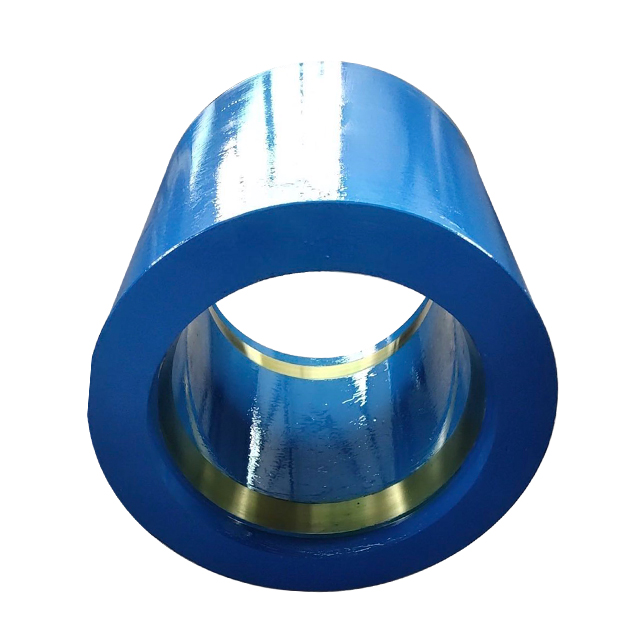
Selecting Crusher Parts is always a trade-off between cost and longevity. Cheaper materials might reduce initial spending but increase replacement frequency. Durable parts, although more expensive upfront, reduce downtime and labor costs over time.
Long-term ROI improves when parts are chosen to match operational demands rather than just price. In mining projects, Qirun’s factory-direct parts help strike this balance, offering reliable quality while controlling overall expenses.
Part geometry affects crushing efficiency and throughput. Tooth profiles on jaw plates influence how material is gripped and broken. In cone crushers, the angle of mantles affects the size distribution of the output. Chamber design and spacing determine how smoothly materials flow, reducing unnecessary recirculation. Optimizing these features improves energy efficiency and productivity.
Key points for design:
● Tooth profile: Enhances grip and material reduction
● Chamber geometry: Affects throughput and product size uniformity
● Dimensional accuracy: Maintains efficiency, reduces energy loss
Maintaining Crusher Parts properly keeps operations smooth and prevents unexpected downtime. Regular inspections are essential. Checking jaw plates, mantles, and blow bars for cracks or excessive wear helps catch problems early. Proper installation and alignment ensure that parts operate efficiently and distribute stress evenly across the crusher. Misaligned parts accelerate wear, which reduces the machine’s lifespan. Lubrication and cleaning are equally important. Dust, debris, or dry bearings increase friction and heat, which can compromise Crusher Parts performance.
Key maintenance tips include:
● Inspection routines: Identify small cracks, surface wear, and loose fasteners
● Alignment checks: Ensure movable and fixed plates fit precisely
● Lubrication: Use recommended greases for bearings and pivots
● Cleaning schedule: Remove abrasive dust to avoid accelerated wear
A simple table for inspection focus areas:
Component | Check Frequency | What to Look For | Notes |
Jaw Plates | Weekly | Cracks, edge wear | Replace if uneven wear occurs |
Mantles/Concaves | Bi-weekly | Surface damage, deformation | Track thickness over time |
Blow Bars | Monthly | Chips, erosion | Monitor high-speed impact |
Crusher Parts can fail for several reasons. Excessive wear often comes from abrasive material or heavy loads. Uneven wear may result from improper feeding, where material does not enter the crushing chamber evenly. Short service life can occur if the wrong material is selected for the ore or operating conditions. Understanding these issues allows operators to take corrective actions before significant downtime occurs.
An example of common problems and their remedies:
Problem | Cause | Solution |
Excessive wear | Abrasive materials | High-manganese or high-chrome parts |
Uneven wear | Improper feeding | Adjust feed system and chamber angle |
Short service life | Wrong material selection | Consult supplier for correct alloy |
Choosing the right supplier impacts the longevity and consistency of Crusher Parts. Consistent material quality is critical. If manganese steel or high chrome alloys vary in composition, parts may fail prematurely.
Manufacturing capabilities matter too. Suppliers with advanced casting, heat treatment, and inspection equipment produce parts with precise dimensions and predictable wear patterns. Customization and technical support ensure that Crusher Parts match your crusher model, feed type, and working conditions.
When selecting a supplier, consider:
● Material quality testing: Chemical composition, hardness, and impact resistance
● Production capacity: Ability to deliver large orders on time
● Inspection standards: Ultrasonic and magnetic particle testing for defects
● Customer support: Technical guidance for part selection and troubleshooting
This guide explains how to select Crusher Parts for mineral processing and mining equipment. It covers part types, material choices, and design considerations. Qirun provides high-manganese and high-chrome parts, factory-direct quality, and customization to ensure durability, efficiency, and long-term value for mining operations.
A: Crusher Parts handle crushing, shaping, and grinding of ores and rocks in mining and mineral processing operations.
A: Select manganese steel for impact, high chrome for abrasion, or alloy composites for specialized conditions.
A: Tooth profiles and chamber design affect throughput, particle size consistency, and overall crushing efficiency.
A: Perform regular inspections, proper installation, lubrication, and use materials suitable for your ore type.
A: Choose suppliers like Qirun with strict quality control, advanced casting, customization options, and technical support.


