
- All
- Product Name
- Product Keyword
- Product Model
- Product Summary
- Product Description
- Multi Field Search
Views: 0 Author: Site Editor Publish Time: 2026-03-19 Origin: Site


Why do some crushers fail faster than others? The answer often lies in Crusher Parts quality. Poor wear parts increase stress and reduce efficiency.In this article, you will learn how Crusher Parts improve durability, performance, and equipment lifespan.
Crusher Parts are the working components that directly handle rock and ore during crushing. They operate under constant pressure and impact. These parts take the force that would otherwise damage the machine. This makes them essential for both performance and protection.
Core roles of Crusher Parts:
● Absorbing repeated impact loads helps reduce stress on the crusher frame, which prevents long-term structural damage and fatigue.
● Providing stable crushing surfaces supports consistent output size and improves overall processing efficiency in continuous operations.
● Acting as a protective layer shields critical internal components like shafts and bearings from direct abrasion and costly wear.
Qirun focuses on producing wear-resistant Crusher Parts using optimized alloy materials and controlled casting processes. This approach helps maintain structural strength and reliability even in high-load mining environments.
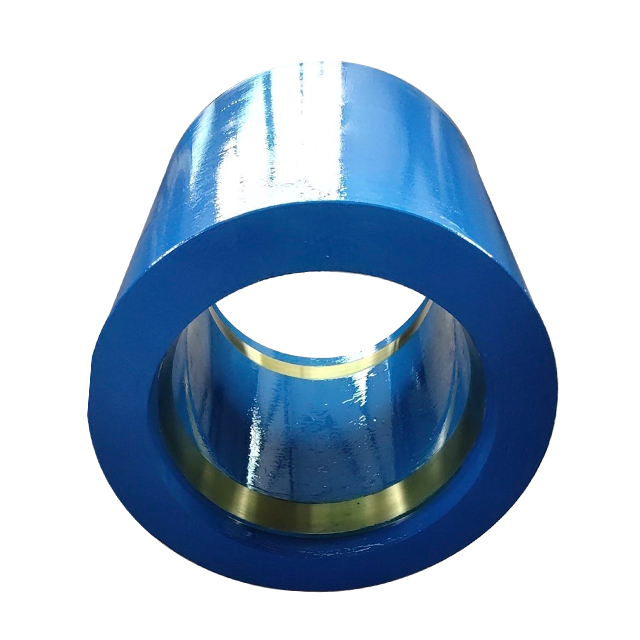
Crusher Parts vary depending on the crushing method and machine type. Each part is designed to handle a specific force pattern. The most common Crusher Parts include:
● Jaw plates: Used in jaw crushers, these components compress large rocks into smaller sizes and handle continuous pressure and abrasion during primary crushing.
● Mantles and concaves: Installed in cone crushers, these parts create a compressive force that gradually reduces material size and distributes wear evenly when feeding is consistent.
● Blow bars: Found in impact crushers, these components strike materials at high speed and require excellent resistance to impact and wear.
● Crusher hammers: Used in hammer crushers, these parts rotate rapidly and break softer materials while maintaining a balance between toughness and durability.
Crusher Parts directly influence how long mining equipment can operate without failure. High-quality wear parts protect the machine. Poor-quality ones accelerate damage across multiple systems.
Key ways Crusher Parts extend equipment life:
● Reducing direct contact between abrasive materials and the machine structure helps prevent cracks, deformation, and long-term fatigue damage.
● Stabilizing crushing conditions lowers vibration levels and reduces stress on moving components, which improves mechanical reliability.
● Maintaining consistent material flow prevents overload situations and protects the drive system from excessive strain.
The performance difference becomes clear in long-term operation:
Performance Aspect | Low-Quality Crusher Parts | High-Quality Crusher Parts (Qirun) |
Wear Rate | Fast wear, uneven surface | Slower wear, balanced distribution |
Equipment Stress | Higher vibration and load | Reduced stress and smoother operation |
Maintenance Cycle | Frequent replacement | Extended service intervals |
Crushing Stability | Inconsistent output | Stable and predictable performance |
Qirun improves wear life through advanced material selection and precise heat treatment. Each Crusher Part is engineered to balance hardness and toughness. This reduces replacement frequency and supports longer equipment lifespan in demanding mining environments.
Material selection sits at the core of Crusher Parts performance. In real crushing conditions, parts face constant impact and abrasion. If the material lacks balance, either wear happens too fast or cracking appears. A good combination of hardness and toughness helps parts last longer and work more efficiently.
Common materials used in Crusher Parts include high manganese steel and high chrome alloys. Each option fits different working environments. High manganese steel becomes harder during operation. This work-hardening effect improves resistance over time. High chrome materials offer strong abrasion resistance, especially in impact crushing.
Key material options and their behavior:
● High manganese steel (Mn13, Mn18, Mn22) delivers excellent toughness. Under repeated impact, its surface hardens, which improves wear resistance during long crushing cycles.
● High chrome alloys (Cr series) provide high hardness. They perform well in abrasive conditions but require controlled impact levels to avoid brittleness.
● Composite materials and alloy enhancements combine toughness and hardness. Elements like molybdenum and nickel improve structural stability and extend service life.
Crusher Parts lifespan is strongly affected by working conditions. Even the best materials will wear quickly if operating parameters are not controlled. Crushing environments vary widely, so understanding material characteristics is essential.
Important operating factors include:
● Material hardness and abrasiveness, which directly determine how fast Crusher Parts lose thickness and structural integrity.
● Feed size and distribution, where uneven feeding creates localized stress and accelerates wear on specific areas.
● Moisture and material consistency, which influence flow behavior and can lead to clogging or irregular crushing patterns.
When operating conditions are stable, wear becomes more predictable. This allows operators to plan maintenance and extend the lifespan of Crusher Parts more effectively.
Manufacturing quality defines how well Crusher Parts perform in real conditions. Even high-grade materials can fail if casting or heat treatment is not properly controlled. Microstructure consistency plays a key role in durability.
Casting processes determine internal structure. Poor casting can lead to defects such as porosity or uneven density. These defects reduce strength and increase the risk of early failure. Precision casting helps maintain uniform structure and stable performance.
Heat treatment further improves performance by balancing hardness and toughness. Without proper treatment, parts may become too brittle or too soft. Controlled heating and cooling processes ensure the material performs as expected.
Process Stage | Impact on Crusher Parts Performance |
Casting Quality | Determines internal structure and defect control |
Heat Treatment | Balances hardness and toughness |
Machining Accuracy | Ensures proper fit and reduces vibration |
Quality Inspection | Confirms material composition and mechanical properties |
Proper handling of Crusher Parts during installation and operation is just as important as material and manufacturing. Incorrect installation can lead to misalignment. This increases stress and causes uneven wear.
Maintenance routines help detect problems early. Regular inspection allows operators to identify cracks, wear patterns, or deformation before failure occurs. Lubrication reduces friction and heat, which protects moving components and extends lifespan.
Practical practices for extending Crusher Parts life:
● Correct installation and alignment ensure even load distribution, reducing unnecessary stress on wear surfaces and supporting longer service intervals.
● Regular inspection routines help detect early wear signs, allowing timely replacement before damage spreads to other components.
● Proper lubrication minimizes friction and heat buildup, which protects bearings and improves overall system stability.
When installation and maintenance are handled correctly, Crusher Parts perform more consistently. Equipment runs smoother. Wear becomes predictable. This supports longer service life and more stable mining operations.
High-quality Crusher Parts act as the first line of defense inside the crushing chamber. During operation, rocks and ores create constant impact and abrasion. Without durable wear parts, this force transfers directly to the machine structure. Over time, it causes damage to critical components like the frame, shafts, and bearings.
Using wear-resistant materials helps absorb and distribute this energy more evenly. It reduces localized stress and prevents premature failure. Stable contact surfaces also minimize vibration. This leads to smoother machine operation and lower mechanical fatigue.
Key protective effects include:
● Even load distribution across crushing surfaces reduces concentrated stress, helping extend the service life of structural components such as frames and housings.
● Reduced vibration levels improve machine stability, lowering the risk of loosening bolts, misalignment, or internal damage during long operation cycles.
● Protection of internal systems like bearings and shafts prevents costly repairs and keeps the crusher running consistently under heavy loads.
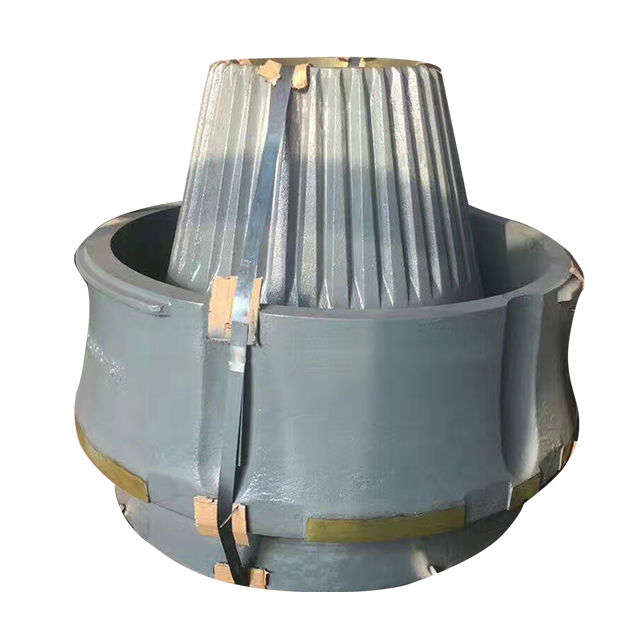
Crusher Parts do more than resist wear. They also shape how materials move and break inside the chamber. When surfaces are well-designed and durable, material flow becomes more consistent. Crushing becomes more efficient. Output size remains stable.
Performance improvements from better Crusher Parts:
● Stable crushing surfaces ensure consistent particle size, which improves downstream processing and overall production quality.
● Optimized design reduces unnecessary resistance, allowing materials to move smoothly through the chamber and lowering energy consumption.
● Balanced wear patterns help maintain uniform crushing pressure, which reduces strain on motors and drive systems.
Frequent replacement of Crusher Parts leads to downtime. It interrupts production. It increases labor and maintenance costs. High-quality wear parts extend replacement intervals, which keeps equipment running longer between shutdowns.
Wear does not only affect the part itself. It also impacts surrounding components. If a worn part is not replaced in time, it can cause damage to adjacent areas. This leads to unexpected failures and more complex repairs.
Maintenance Aspect | Standard Crusher Parts | High-Quality Crusher Parts (Qirun) |
Replacement Frequency | Short cycles, frequent shutdowns | Longer intervals, fewer interruptions |
Wear Consistency | Uneven wear patterns | Balanced and predictable wear |
Failure Risk | Higher chance of sudden damage | Lower risk due to stable performance |
Maintenance Planning | Reactive and unpredictable | Scheduled and controlled |
From a business perspective, Crusher Parts directly influence operating costs. Frequent replacements increase expenses. Downtime reduces production output. Energy inefficiency raises overall cost per ton.
High-quality Crusher Parts improve cost efficiency by lasting longer and performing better. They reduce the number of replacements required. They also protect expensive machine components, which lowers long-term maintenance costs.
Choosing the right Crusher Parts starts from understanding the material being processed. Different rocks behave differently. Hard materials like granite create strong impact and abrasion. Softer materials still cause wear but in a more gradual way. If the material and part do not match, wear increases quickly and performance drops.
Design also plays a critical role. Tooth profile, thickness, and geometry affect how force is distributed. A well-matched design allows material to flow smoothly. It reduces localized pressure and improves crushing balance. Poor design leads to uneven wear and frequent replacement.
Key matching considerations include:
● Material hardness and abrasiveness determine whether high manganese steel or high chrome alloys are more suitable for specific Crusher Parts applications.
● Crusher type and working conditions influence the choice of design, ensuring the part can handle compression, impact, or mixed forces effectively.
● Structural design features such as tooth shape and thickness help distribute wear evenly, which improves lifespan and reduces stress concentration.
When Crusher Parts are properly matched to the application, wear becomes more predictable. Equipment runs more smoothly. Maintenance planning becomes easier.
Supplier selection directly affects the reliability of Crusher Parts. Not all suppliers offer the same level of manufacturing control. Some focus on cost. Others focus on performance and durability. For long-term operation, quality should always come first.
A strong manufacturer controls every step of production. This includes raw material selection, casting, heat treatment, machining, and inspection. Consistency in these processes ensures stable product performance.
Important factors when evaluating a supplier:
● Manufacturing experience indicates whether the supplier understands real mining conditions and can produce Crusher Parts suited for heavy-duty use.
● Quality inspection systems, including chemical analysis and mechanical testing, ensure each part meets required performance standards.
● Production capacity and equipment determine whether the supplier can maintain consistent quality and deliver large orders on time.
Qirun stands out by integrating casting, heat treatment, and inspection into one system. This ensures Crusher Parts maintain consistent quality and performance across different applications.
Standard Crusher Parts do not always meet the needs of every operation. Mining environments vary. Feed materials change. Equipment models differ. Customization allows parts to perform better under specific conditions.
Customized solutions adjust both material and design. This includes modifying alloy composition, changing geometry, or adapting dimensions. These adjustments help improve wear distribution and extend service life.
Benefits of customized Crusher Parts:
● Tailored designs match specific crusher models, ensuring proper fit and reducing vibration or misalignment during operation.
● Material adjustments improve resistance to unique wear conditions, especially in highly abrasive or high-impact environments.
● Optimized structures reduce uneven wear, which helps extend replacement intervals and improve overall equipment stability.
High-quality Crusher Parts improve durability and stability. They reduce wear and downtime. Qirun provides strong materials, precise casting, and reliable solutions. This helps extend equipment life and improve long-term mining performance.
A: Crusher Parts are wear components used to crush materials in mining machines.
A: Crusher Parts protect equipment and improve crushing efficiency in heavy-duty operations.
A: Choose Crusher Parts based on material hardness, crusher type, and working conditions.
A: Yes, high-quality Crusher Parts reduce maintenance and lower long-term costs.
A: Crusher Parts lifespan depends on material, usage, and maintenance practices.


