
- All
- Product Name
- Product Keyword
- Product Model
- Product Summary
- Product Description
- Multi Field Search
Views: 0 Author: Site Editor Publish Time: 2026-01-05 Origin: Site
Cone crushers play a vital role in mining and construction. Understanding the costs associated with cone crusher parts is crucial for effective budgeting.
In this article, we’ll explore the various costs linked to these essential components. You’ll learn how to optimize your investment in cone crusher parts for better performance and efficiency.
Cone crusher parts are essential components that enable these machines to function effectively. They are designed to withstand the intense pressures and abrasions encountered during the crushing process. Each part plays a specific role, contributing to the overall performance and efficiency of the cone crusher.
These parts include various types of components, each serving a unique purpose in the operation of the machine. For instance, wear parts endure significant wear and tear, while mechanical spares ensure smooth operation. Understanding these parts helps users make informed decisions about maintenance and replacement.
Cone crusher parts can be categorized into three main types: wear parts, mechanical spares, and system spares.
1. Wear Parts
● Mantles: These are the primary wear components that crush the material against the bowl liner. They need to be replaced frequently due to their exposure to high impact and abrasion.
● Bowl Liners (Concaves): These parts work in conjunction with the mantle to crush materials. They also experience significant wear over time.
2. Mechanical Spares
● Main Shafts: The main shaft is crucial for the overall structure and functioning of the cone crusher. It supports the mantle and transmits the force generated by the crushing action.
● Eccentric Shafts: These shafts create the oscillating motion of the mantle, allowing it to crush materials effectively.
● Bearings: Bearings support the main and eccentric shafts, ensuring smooth movement and reducing friction.
3. System Spares
● Hydraulic Systems: These systems provide the necessary pressure to adjust the cone's position and manage the crushing force. They are vital for maintaining optimal performance.
● Lubrication Units: Proper lubrication is essential for reducing wear and tear on moving parts. These units ensure that all components operate smoothly and efficiently.
Component Type | Key Components | Function |
Wear Parts | Mantles, Bowl Liners | Crush materials; endure high impact and abrasion |
Mechanical Spares | Main Shafts, Eccentric Shafts, Bearings | Support structure; enable smooth operation |
System Spares | Hydraulic Systems, Lubrication Units | Manage pressure; reduce wear on components |
Understanding these components helps operators maintain their equipment effectively, ensuring longevity and optimal performance. Regular inspections and timely replacements of these parts can significantly impact the operational efficiency of cone crushers.
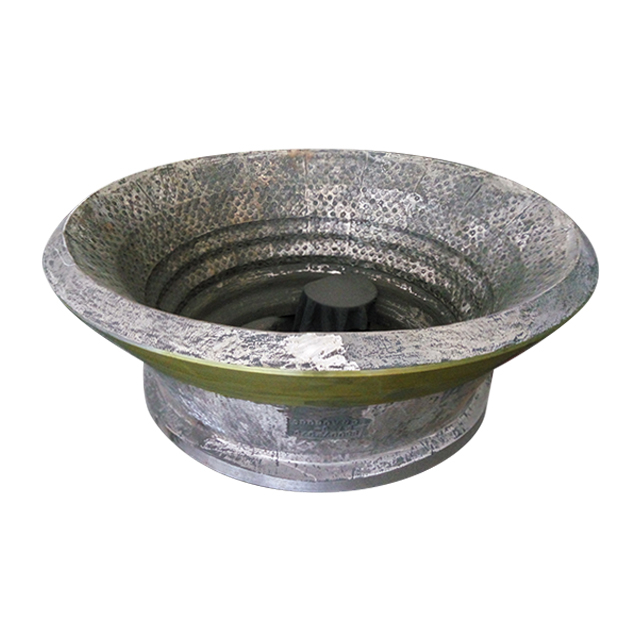
The initial purchase price of cone crusher parts can vary significantly based on several factors. Key elements influencing cost include the brand, material quality, and specific part type. For instance, original equipment manufacturer (OEM) parts tend to be more expensive due to their guaranteed quality and compatibility. In contrast, aftermarket parts may offer lower prices but can vary in quality.
When comparing OEM and aftermarket options, Qirun Machinery stands out by providing high-quality aftermarket parts at competitive prices. Their offerings include a range of wear parts and mechanical spares designed to meet or exceed OEM specifications. This allows customers to balance cost and quality effectively.
Part Type | OEM Price Range | Aftermarket Price Range | Qirun Machinery Offerings |
Mantles | $500 - $1,200 | $300 - $800 | High-quality options available |
Bowl Liners | $600 - $1,300 | $350 - $900 | Durable and cost-effective |
Main Shafts | $1,000 - $2,500 | $700 - $1,800 | Precision-engineered |
Material quality plays a crucial role in determining the costs associated with cone crusher parts. High-manganese alloys and heat-treated alloy steels are commonly used due to their excellent wear resistance and durability. These materials can significantly extend the lifespan of parts, reducing the frequency of replacements.
For example, Qirun Machinery utilizes innovative materials that enhance the performance and longevity of their products. By investing in high-quality materials, customers can expect better performance, which translates into lower operational costs over time.
Key Benefits of High-Quality Materials:
● Increased durability reduces the need for frequent replacements.
● Enhanced performance leads to improved efficiency in crushing operations.
● Long-term savings on maintenance and downtime.
Production volume has a direct impact on the pricing of cone crusher parts. Higher production volumes often lead to lower costs per unit due to economies of scale. Qirun Machinery, for instance, boasts an impressive annual output of over 10,000 tons of wear-resistant castings, allowing them to offer competitive pricing.
This large-scale production not only aids in reducing costs but also ensures a consistent supply of parts. Customers benefit from this model as it helps maintain inventory levels and reduces lead times for essential components.
Production Volume | Cost per Unit | Implications |
Low (1-500 tons) | High | Higher prices per part |
Medium (500-5,000 tons) | Moderate | Balanced costs and availability |
High (5,000+ tons) | Low | Significant savings and consistent supply |
Understanding these cost factors allows operators to make informed decisions about their cone crusher parts, ensuring they get the best value for their investment.
When considering long-term costs of cone crusher parts, maintenance and replacement expenses are critical. It's recommended to budget around 10–15% of the machine's purchase price annually for routine maintenance. This proactive approach helps ensure the equipment operates efficiently and minimizes unexpected breakdowns.
The frequency of part replacements can vary based on usage and material type. For instance, high-quality parts, like those from Qirun Machinery, exhibit superior wear resistance. This means they often last longer, reducing the overall cost of ownership. Customers can expect fewer replacements, leading to significant savings over time.
Part Type | Replacement Frequency | Cost Implications |
Mantles | Every 500-1,000 hours | $300 - $800 per replacement |
Bowl Liners | Every 1,000-1,500 hours | $350 - $900 per replacement |
Main Shafts | Every 2,000-3,000 hours | $700 - $1,800 per replacement |
Downtime can be a significant financial burden in mining operations. Equipment failure not only halts production but also leads to lost revenue. For example, a single day of downtime can cost thousands of dollars, depending on the operation's scale.
Consider a case study where a mining company faced a week-long shutdown due to a failed cone crusher. The loss in productivity amounted to over $100,000. This incident highlights the importance of investing in quality parts. By choosing reliable components, such as those from Qirun Machinery, operators can minimize the risk of failure and keep their operations running smoothly.
Worn parts can lead to increased energy consumption, which directly impacts operational costs. When components like mantles and bowl liners lose their effectiveness, the machine must work harder to achieve the same output. This inefficiency not only raises energy bills but also affects overall throughput.
Qirun Machinery's high-quality parts are designed to maintain energy efficiency. By using durable materials, these parts help reduce the strain on the machine, leading to lower energy costs.
Efficiency Impact | Worn Part Effect | Cost Implications |
Increased energy use | Higher operational costs | Up to 20% more energy consumption |
Reduced throughput | Lower productivity | Significant revenue loss |
Investing in quality cone crusher parts can lead to long-term savings by enhancing energy efficiency and reducing operational costs. By understanding these factors, operators can make informed decisions that benefit their bottom line.
Global market trends significantly influence the pricing of materials used in cone crusher parts. When demand for mining and construction increases, so do the prices of raw materials. For instance, fluctuations in steel prices can directly impact the cost of manufacturing wear parts.
Additionally, supply chain issues can create shortages or delays, further affecting costs. For example, disruptions caused by geopolitical events or natural disasters can lead to increased shipping costs and longer lead times. This unpredictability can make budgeting for cone crusher parts challenging.
Market Factor | Impact on Pricing |
Increased Demand | Higher prices for raw materials |
Supply Chain Disruptions | Shortages leading to inflated costs |
Geopolitical Events | Uncertainty affecting material availability |
Technological advancements in manufacturing have the potential to reduce costs significantly. Innovations such as automation and improved production techniques allow manufacturers to produce parts more efficiently. For instance, Qirun Machinery utilizes advanced casting methods to enhance the quality and durability of their cone crusher parts.
These innovations not only lower production costs but also improve the longevity and performance of the parts. By investing in better technology, companies can produce high-quality components at competitive prices. This is crucial for operators looking to maximize their return on investment.
Benefits of Technological Advancements:
● Cost Reduction: Streamlined processes lower manufacturing expenses.
● Enhanced Durability: Improved materials and techniques extend part life.
● Performance Improvement: Higher quality components lead to better machine efficiency.
In terms of advancements, automation reduces labor costs while ensuring consistent quality. Advanced casting techniques lower material waste and improve wear resistance. Additionally, innovations in quality control lead to fewer defects, which enhances operational efficiency.
By understanding these factors, operators can make informed decisions about their investments in cone crusher parts, ensuring they receive the best value while maintaining high operational standards.
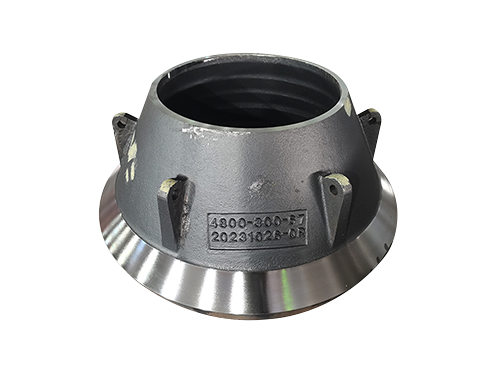
Effective inventory management is crucial for minimizing downtime and ensuring that critical spares are always on hand. Keeping essential parts, such as mantles and bowl liners, readily available can prevent costly delays in production. Companies should regularly assess their inventory levels based on historical usage data to determine which parts are most frequently needed.
To optimize inventory management, consider implementing a just-in-time (JIT) system. This approach helps maintain optimal stock levels, reducing the risk of overstocking or stockouts. Additionally, using inventory management software can streamline tracking and ordering processes, ensuring that you always have the right parts available when you need them.
Strategy | Benefit |
Maintain critical spares | Reduces downtime and boosts productivity |
Just-in-time inventory | Minimizes holding costs |
Inventory management software | Enhances tracking and ordering efficiency |
When evaluating cone crusher parts, it’s essential to consider the total cost of ownership rather than just the initial purchase price. This includes factors such as part lifespan, maintenance costs, and the impact on machine uptime. High-quality parts, like those offered by Qirun Machinery, may come with a higher upfront cost but can provide significant long-term savings.
For example, a high-quality mantle may last longer and require fewer replacements, ultimately lowering the overall expenditure. Assessing the value of parts in terms of their durability and performance can lead to better financial decisions and improved operational efficiency.
Key Considerations for Value Assessment:
● Total Cost of Ownership: Include maintenance and replacement costs.
● Part Lifespan: Evaluate how long parts last under typical operating conditions.
● Impact on Uptime: Consider how part quality affects overall machine reliability.
Sourcing parts from reliable suppliers is vital for ensuring quality and minimizing costs. When looking for cone crusher parts, consider suppliers like Qirun Machinery, known for their high-quality offerings. It’s also beneficial to compare different sourcing options, such as industrial marketplaces versus direct OEM portals.
Industrial marketplaces often provide a wide variety of options and competitive pricing, while direct OEM portals may offer more assurance regarding quality and compatibility. Here are some tips for effective sourcing:
● Research Suppliers: Look for reviews and testimonials to gauge reliability.
● Request Samples: Before making a large order, request samples to assess quality.
● Negotiate Terms: Don’t hesitate to negotiate pricing and delivery terms for better deals.
When considering sourcing methods, industrial marketplaces offer a wide selection and competitive prices, but the quality can vary. On the other hand, direct OEM portals provide guaranteed quality and compatibility, but they often come with higher prices.
By implementing these strategies, operators can effectively optimize their costs associated with cone crusher parts, ensuring better performance and increased profitability.
This article discussed the various costs associated with cone crusher parts. Key points include the importance of maintenance, inventory management, and sourcing strategies. Investing in high-quality parts can lead to significant long-term savings.
Consider the total cost of ownership rather than just the purchase price. We encourage readers to evaluate their current cone crusher parts. Use the insights shared here to make informed decisions for better efficiency and profitability.
A: The most common wear parts include mantles, bowl liners, and main shafts.
A: Replacement frequency varies, but typically, mantles and bowl liners need replacement every 500-1,500 hours of operation.
A: Consider total cost of ownership, part lifespan, and compatibility with your equipment.
A: Aftermarket parts can be cost-effective, but ensure they meet quality standards to avoid performance issues.
A: Maintain critical spares on-site and implement effective inventory management strategies to minimize downtime.


