
- All
- Product Name
- Product Keyword
- Product Model
- Product Summary
- Product Description
- Multi Field Search
Have you ever wondered what keeps crushing machinery running smoothly?
Crusher parts are vital components that ensure efficiency in industries like mining and construction.
In this post, you’ll learn about the different types of crusher parts and their importance in maximizing productivity. We’ll also highlight key manufacturers, including Shuangfeng Qirun Machinery, known for their high-quality wear-resistant parts.
Wear parts are essential components designed to endure the harsh conditions of crushing operations. Their primary purpose is to directly interact with abrasive materials, absorbing the impact and friction generated during the crushing process. Over time, these parts wear down, necessitating regular inspection and replacement to maintain optimal performance.
Here are some examples of typical wear parts used in various crushers:
● Jaw Plates: These are found in jaw crushers and are crucial for crushing large rocks. They come in different designs, such as single-segment and multi-segment options, enhancing versatility.
● Mantles: Used in cone crushers, mantles are the components that crush the material against the bowl liner. Their design is vital for effective material sizing.
● Blow Bars: Found in impact crushers, blow bars are responsible for striking and breaking down materials. They can be made from high-chromium steel for improved durability.
● Liners: These protect the interior surfaces of the crusher from wear. Liners are often made from manganese steel, which work-hardens during use.
Regular maintenance of wear parts is critical. If not replaced on time, worn parts can lead to reduced efficiency and increased operational costs. Companies like Qiming Machinery focus on creating high-performance wear parts specifically designed to fit various crushers, including popular models from Metso and Sandvik. Their commitment to quality ensures that these parts can withstand the rigors of daily operations.
Spare parts play a vital role in keeping crushers running smoothly. Unlike wear parts, which are designed to be replaced frequently, spare parts are typically structural components that support the overall mechanical operation of the crusher. They are replaced only when damaged or worn out.
Here are some key spare parts essential for crusher functionality:
● Eccentric Shafts: These shafts are crucial for the movement of the crusher's components, allowing for the crushing action to occur.
● Bearings: Bearings support the rotating parts of the crusher, ensuring smooth operation. They must be regularly checked to prevent failure.
● Flywheels: Flywheels store energy and help maintain the momentum of the crushing process. They are integral in balancing the operation.
● Adjustment Rings: These components allow for the adjustment of the crusher's settings, ensuring that the desired product size is achieved.
The importance of spare parts cannot be overstated. They ensure the mechanical integrity of the crusher, preventing unexpected breakdowns that could lead to costly downtime. Regular checks and timely replacements of spare parts are essential for maintaining the efficiency and longevity of crushing equipment.
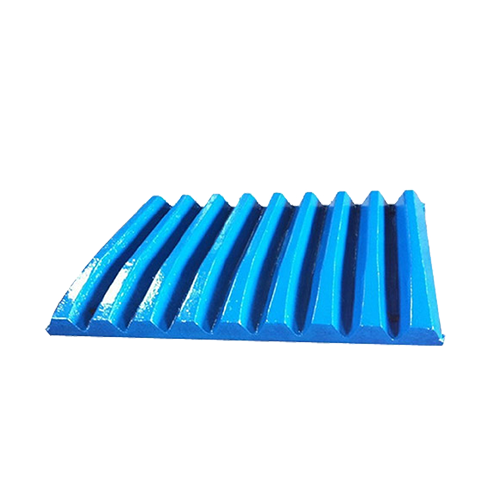
The materials used in manufacturing crusher parts are crucial for their performance and longevity. Different types of steel are commonly employed, each offering unique benefits.
● Manganese Steel: This is a popular choice for wear parts due to its ability to work-harden. It becomes tougher with impact, making it ideal for high-impact applications like jaw plates and cone liners.
● High-Chromium Steel: Known for its excellent abrasion resistance, high-chromium steel is often used in blow bars and impact plates. It can withstand the harsh conditions of crushing without significant wear.
● Martensitic Alloy Steel: This type of steel combines toughness and hardness, making it suitable for parts that require both durability and resistance to wear. It is commonly used in various crusher applications.
The choice of material significantly affects the performance of crusher parts. For instance, using high-quality materials can lead to longer service life and reduced operational costs. Qiming Machinery utilizes proprietary alloy formulas to enhance wear resistance, ensuring their products meet the demands of rigorous industrial applications.
The manufacturing processes employed in producing crusher parts play a vital role in their quality and reliability. A common method is casting, which allows for complex shapes and precise dimensions.
● Casting Processes: The casting process involves pouring molten metal into molds to create the desired part shape. This method is widely used for producing wear parts and structural components.
● Quality Control: Ensuring the reliability of crusher parts requires stringent quality control measures. This includes inspecting raw materials, monitoring the casting process, and conducting thorough testing on finished products.
Qiming Machinery emphasizes quality control through its advanced laboratories and testing equipment. They perform rigorous tests, such as hardness testing and non-destructive testing, to identify any defects before the parts are shipped. This commitment to quality ensures that every part meets industry standards and customer expectations.
Material Type | Key Features | Common Applications |
Manganese Steel | Work-hardening, high impact resistance | Jaw plates, cone liners |
High-Chromium Steel | Excellent abrasion resistance | Blow bars, impact plates |
Martensitic Alloy Steel | Toughness and hardness | Various crusher applications |
By focusing on the right materials and stringent manufacturing processes, manufacturers can produce high-quality crusher parts that enhance the efficiency and effectiveness of crushing operations.
Choosing the right crusher parts is essential for maintaining efficiency and prolonging the life of your machinery. Here are some key factors to keep in mind:
● Compatibility with Existing Machinery: Before purchasing any parts, ensure they fit your current equipment. Compatibility affects not only performance but also safety. Mismatched parts can lead to operational failures and costly repairs.
● Quality and Durability of Materials: The materials used in crusher parts significantly impact their longevity. High-quality materials like manganese steel and high-chromium steel offer better wear resistance, ensuring that parts last longer under heavy use. Always check the specifications and reviews of the materials used by manufacturers.
● Manufacturer Reputation and Warranty Options: A reputable manufacturer often reflects the quality of their products. Look for companies with a proven track record, like Qiming Machinery, known for its extensive experience in the industry. Additionally, consider the warranty options available; a good warranty can provide peace of mind and protection against defects.
Factor | Importance |
Compatibility | Ensures safety and optimal performance |
Quality Materials | Increases lifespan and reduces downtime |
Manufacturer Reputation | Indicates reliability and customer support |
Warranty Options | Provides protection against defects |
Qiming Machinery emphasizes a customer-centric approach, ensuring that clients receive products tailored to their specific needs. Their expertise in manufacturing high-performance parts makes them a trusted choice in the industry.
Custom parts can significantly enhance the performance of your crushing equipment. Here’s how customization can benefit your operations:
● Overview of Custom Parts: Customization allows for the design of parts that meet specific operational requirements. This can lead to improved efficiency and better material handling, tailored to the unique demands of your project.
● Examples of Customization: For instance, if you're dealing with particularly abrasive materials, you might need wear parts designed with enhanced durability. Adjustments in design can also improve the fit and function of parts, optimizing the overall crushing process.
Qiming Machinery excels in providing tailored solutions for various material types. They can create custom parts based on the specific needs of your operation, ensuring that you get the most out of your equipment. Whether it’s adjusting the alloy composition or modifying the design, their team can help enhance your crushing efficiency.
Customization Type | Benefits |
Material Adjustments | Improved wear resistance |
Design Modifications | Enhanced fit and functionality |
Specialized Components | Tailored solutions for specific applications |
By considering these factors and exploring customization options, you can ensure that you select the right crusher parts for your machinery, ultimately leading to better performance and reduced downtime.
Recognizing the signs of wear and tear in crusher parts is essential for maintaining operational efficiency. Here are some common indicators that your parts may need replacement:
● Visible Cracks or Chips: If you notice any cracks or chips on wear parts, it’s a clear sign they are failing. This damage can lead to further issues if not addressed promptly.
● Increased Vibration: Excessive vibration during operation often indicates that parts are worn out or misaligned. This can lead to more significant mechanical problems if not fixed quickly.
● Decreased Output: A noticeable drop in production rates suggests that your crusher parts may not be functioning correctly. This could be due to worn components that need to be replaced.
Regular inspections and maintenance are crucial in identifying these issues early. Scheduling routine checks can help you catch wear before it leads to costly downtime or major repairs. Implementing a maintenance plan ensures that your equipment operates efficiently and effectively.
When faced with issues like reduced efficiency or unexpected downtime, it’s important to have a plan in place. Here are some common problems and their solutions:
● Reduced Efficiency: If your crusher is not performing at its optimal level, check for worn parts, as these can significantly impact output. Replacing worn components promptly can restore efficiency.
● Unexpected Downtime: Downtime can be a major setback for any operation. To minimize this, maintain a stock of critical spare parts. This way, you can quickly replace any faulty components without significant delays.
● Overheating: If the machinery is overheating, it may be due to worn bearings or misaligned parts. Addressing these issues quickly can prevent more severe mechanical failures.
Problem | Signs to Look For | Solution |
Reduced Efficiency | Lower output, increased cycle time | Replace worn parts |
Unexpected Downtime | Frequent breakdowns | Keep spare parts in stock |
Overheating | High operating temperatures | Check alignment and replace bearings |
Timely replacement of worn parts is vital to avoid larger mechanical failures. By addressing issues as they arise, you can keep your crusher running smoothly and efficiently, reducing the risk of costly repairs and downtime.
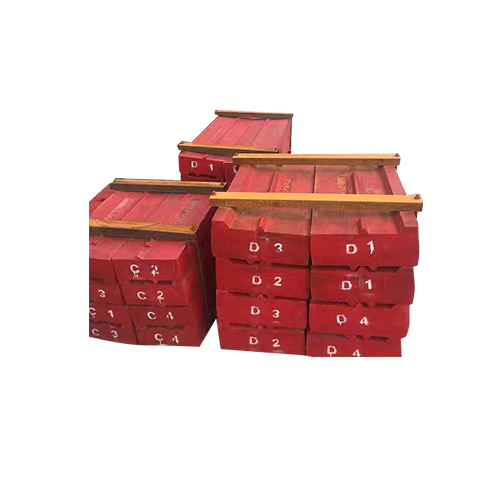
In the mining industry, crusher parts play a crucial role in the processing of ores. These components are essential for breaking down large rocks into smaller, manageable sizes, allowing for efficient extraction of valuable minerals.
● Specific Applications: Crusher parts are used in various stages of ore processing, from primary crushing to secondary and tertiary stages. For instance, jaw crushers are commonly employed for initial size reduction, while cone crushers are utilized for further refining.
● Shuangfeng Qirun Machinery Products: Shuangfeng Qirun Machinery offers a range of high-quality crusher parts specifically designed for mining applications. Their products, such as durable jaw plates and mantles, are engineered to withstand the harsh conditions found in mining environments, ensuring longevity and reliability.
The construction industry heavily relies on crusher parts for aggregate production. These parts are vital for producing materials like gravel, sand, and crushed stone, which are essential for building projects.
● Use of Crusher Parts: High-quality crusher parts ensure that aggregates are produced efficiently and consistently. They are designed to handle various materials, from soft rocks to hard aggregates, maintaining performance throughout the crushing process.
● Improving Construction Efficiency: By using reliable crusher parts, construction companies can enhance their productivity. Durable components reduce downtime and maintenance costs, allowing for smoother operations and timely project completion.
Industry | Key Applications | Benefits |
Mining | Ore processing, size reduction | Efficient extraction of minerals |
Construction | Aggregate production | Consistent material quality, reduced downtime |
Recycling | Processing recycled materials | Enhanced recycling operations |
In the recycling industry, the importance of crusher parts cannot be overstated. These components are crucial for processing various recycled materials, including metals, plastics, and concrete.
● Importance of Crusher Parts: Durable crusher parts enable efficient size reduction and material separation, which are essential for effective recycling. They help in transforming waste materials into reusable resources, contributing to sustainable practices.
● Enhancing Recycling Operations: For example, high-quality blow bars and wear plates in impact crushers can significantly improve the processing of mixed materials. By enhancing the durability of these parts, recycling facilities can increase throughput and reduce operational costs.
By understanding the role of crusher parts across different industries, businesses can make informed decisions when selecting components that best suit their specific needs. This ensures optimal performance, efficiency, and sustainability in their operations.
Crusher parts are essential in various industries. They ensure efficient operations in mining, construction, and recycling. Key components like jaw plates and blow bars play a vital role in performance.
Investing in high-quality crusher parts is crucial. Regular maintenance and timely replacements enhance operational efficiency and reduce downtime. Choose reliable manufacturers for the best results.
A: The most common types include jaw plates, cone liners, blow bars, and wear plates.
A: Replacement frequency depends on usage, but regular inspections are essential to determine wear.
A: High-quality materials like manganese steel, high-chromium steel, and martensitic alloy steel are ideal.
A: Yes, many manufacturers offer customization options to meet specific operational needs.
A: Reputable manufacturers like Shuangfeng Qirun Machinery and Qiming Machinery provide high-quality options.


