
- All
- Product Name
- Product Keyword
- Product Model
- Product Summary
- Product Description
- Multi Field Search
Have you ever wondered how industrial materials are finely processed? A grinding bowl is essential in this process.
In this article, we’ll explore what a grinding bowl is, its history, and its significance across various industries. You’ll learn about its applications and why choosing the right grinding bowl matters.
Grinding bowls have a rich history, dating back centuries. Traditionally, they are made from materials like stone, ceramic, and wood. Each material offers unique benefits.
Materials and Their Uses:
● Stone: Often used for its durability and ability to grind tough ingredients. Stone mortars are popular in many cultures for making pastes and sauces.
● Ceramic: Common in kitchens and laboratories due to its non-reactive nature. They are easy to clean and maintain.
● Wood: Lightweight and traditional, wooden bowls are favored in many cultures, though they may absorb flavors.
In culinary applications, grinding bowls are essential for preparing spices and herbs. For example, stone mortars are used in traditional cooking methods to create flavorful pastes, such as pesto and guacamole. In the pharmaceutical field, they are utilized for crushing pills or grinding herbs into powders for medicinal purposes.
Industrial grinding bowls are designed for heavy-duty applications. They are made from robust materials like chrome steel and tungsten steel. These materials ensure durability and longevity, even under rigorous conditions.
Key Features of Industrial Grinding Bowls:
● Chrome Steel: Known for its excellent hardness and corrosion resistance, making it ideal for grinding medium-hard materials.
● Tungsten Steel: Offers superior impact resistance and is perfect for processing high-hardness materials.
Applications in Heavy Industries:
● Mining: Grinding bowls are used to process mineral raw materials, allowing for efficient extraction and processing.
● Metallurgy: In this field, they help in crushing and grinding metal ores for further refinement.
Brand Spotlight: Qi Machinery
Qi Machinery specializes in producing high-quality grinding bowls tailored for pulverizing mills. Their products focus on wear resistance and durability, making them a preferred choice in various industrial applications. By integrating advanced materials and innovative designs, Qi Machinery ensures their grinding bowls meet the demanding needs of the mining and metallurgy sectors.
Material Type | Key Benefits | Common Applications |
Chrome Steel | High hardness, corrosion resistant | Grinding medium-hard materials |
Tungsten Steel | Superior impact resistance | Processing high-hardness materials |
Stone | Durable, traditional | Culinary uses, making pastes |
Ceramic | Non-reactive, easy to clean | Laboratory sample preparation |
Wood | Lightweight, traditional | Cultural culinary practices |
The choice of grinding bowl significantly impacts efficiency and performance in both traditional and industrial settings. Selecting the right type based on specific needs can enhance results, whether in the kitchen or at a manufacturing facility.
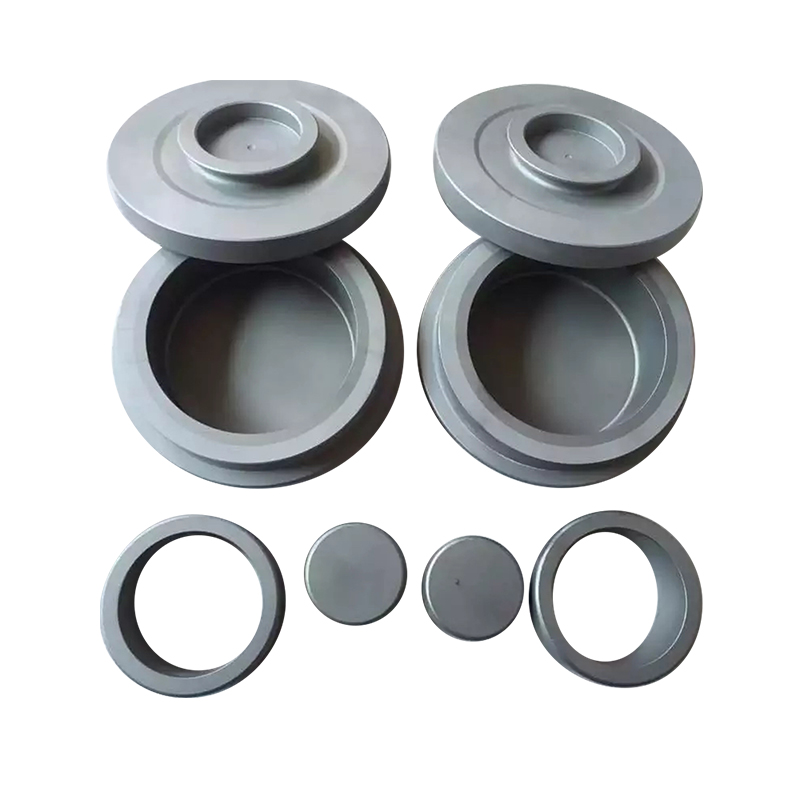
Grinding bowls are crucial components in the process of material reduction, particularly in pulverizing mills. They serve multiple essential functions that enhance efficiency and productivity in various industries.
In pulverizing mills, grinding bowls act as the primary chamber where raw materials are processed. The design allows for effective grinding through a combination of impact, friction, and pressure. When materials are fed into the grinding bowl, they are subjected to powerful forces from rotating elements, which break them down into smaller particles.
Key Mechanisms:
● Impact: The grinding elements strike the materials, causing them to fracture.
● Friction: As materials move against the bowl's surface, they are ground down further.
● Pressure: The weight of the grinding elements compresses the materials, facilitating finer grinding.
This multi-faceted approach ensures that the grinding process is both efficient and effective.
Grinding bowls play a vital role in transforming raw materials into usable forms. They are designed to handle various materials, from minerals to metals, ensuring that each type is processed according to its specific requirements.
Applications in Different Industries:
● Mining: Grinding bowls are essential for preparing mineral ores for extraction.
● Cement Production: They help in reducing raw materials to the required fineness for cement mixing.
● Pharmaceuticals: In labs, grinding bowls are used to create powders from herbs and chemicals.
Industry | Application | Functionality |
Mining | Preparing mineral ores | Efficient material size reduction |
Cement Production | Grinding raw materials | Ensures proper mixing consistency |
Pharmaceuticals | Creating powders from substances | Facilitates accurate dosing |
Particle size reduction is critical in many production processes. It affects the quality and efficiency of the final product. Smaller particle sizes can enhance the surface area, leading to improved reactions in chemical processes or better mixing in construction materials.
Benefits of Effective Particle Size Reduction:
● Increased Reactivity: Finer particles react more quickly in chemical processes.
● Enhanced Quality: Smaller sizes lead to more uniform products, improving overall quality.
● Improved Efficiency: Reduced particle size can lower energy consumption during processing.
The grinding bowl serves as the "grinding chamber" in pulverizing equipment, making it indispensable for converting coarse materials into fine powders. This transformation is essential for meeting industry standards and ensuring that products perform as expected in their respective applications.
In summary, grinding bowls are not just tools; they are integral to the material processing ecosystem, enhancing productivity and quality across various sectors.
When selecting a grinding bowl, several key characteristics determine its quality and effectiveness. Understanding these features can help you make an informed choice for your specific needs.
Durability is a critical factor in the performance of grinding bowls. The materials used significantly impact both their lifespan and efficiency. Common materials include:
● Chrome Steel: Known for its high hardness and resistance to wear, making it suitable for heavy-duty applications.
● Tungsten Steel: Offers exceptional toughness and is ideal for grinding harder materials.
● Ceramic: While not as durable as metals, ceramic bowls are non-reactive and easy to clean, making them popular in culinary and laboratory settings.
Material Comparison Table:
Material Type | Durability | Common Uses |
Chrome Steel | High | Industrial grinding |
Tungsten Steel | Very High | Heavy-duty applications |
Ceramic | Moderate | Culinary and laboratory use |
Example: Qi Machinery produces grinding bowls made from high-quality chrome and tungsten steel. These bowls are designed to withstand rigorous industrial use, ensuring they last longer and perform better under pressure.
Precision is essential in grinding processes, as it directly affects the quality of the final product. A high-quality grinding bowl must maintain consistent particle size and uniformity during operation. This precision is achieved through careful design and manufacturing processes.
Quality Assurance Testing Methods:
● Hardness Testing: Determines how well the material can resist deformation or wear.
● Impact Toughness Testing: Measures the ability of the material to absorb energy and resist sudden impacts.
At Qi Machinery, an advanced quality control system ensures each grinding bowl meets strict industrial standards. This attention to detail guarantees that their products not only perform well but also maintain their integrity over time.
Performance Factors:
● Efficiency: A well-designed grinding bowl can significantly reduce processing time.
● Consistency: Ensures uniformity in particle size, which is crucial for many applications.
Testing Method | Purpose | Importance |
Hardness Testing | Assess material strength | Prevents premature wear |
Impact Toughness | Evaluate energy absorption | Ensures durability under stress |
Quality grinding bowls are built to last and perform consistently, making them indispensable in various industries. By focusing on durability and precision, manufacturers like Qi Machinery set the standard for excellence in grinding technology.
Grinding bowls are versatile tools used in various fields, from culinary arts to industrial applications. Their ability to process materials efficiently makes them invaluable in multiple settings.
In the kitchen, grinding bowls are essential for preparing a wide range of ingredients. They are commonly used for grinding spices and herbs, allowing cooks to enhance flavors in their dishes.
Common Uses:
● Spices: Grinding whole spices like cumin, coriander, and peppercorns releases essential oils, intensifying their flavors.
● Herbs: Fresh herbs can be ground into pastes or powders, making them easier to incorporate into recipes.
Popular Dishes:
● Pesto: A classic Italian sauce made by grinding basil, garlic, pine nuts, and Parmesan cheese in a traditional mortar.
● Guacamole: Avocado, lime, and spices are mashed together in a grinding bowl to create this beloved dip.
Dish | Ingredients | Preparation Method |
Pesto | Basil, garlic, pine nuts, Parmesan | Ground together to form a paste |
Guacamole | Avocado, lime, salt, spices | Mashed in a grinding bowl |
Grinding bowls have a long history in medicine, dating back to ancient times when herbs were ground for medicinal purposes. Today, they continue to play a crucial role in laboratories.
Current Applications:
● Sample Preparation: Grinding bowls are used to pulverize chemicals and biological samples for analysis. This ensures that the samples are homogenous and ready for testing.
● Herbal Medicine: In pharmaceutical labs, grinding bowls are used to create fine powders from herbs, which are then used in various formulations.
Example: In many pharmaceutical labs, grinding bowls are essential for pulverizing chemicals before they undergo further analysis or formulation, ensuring accuracy and consistency in results.
In industrial settings, grinding bowls are vital for processing raw materials. They are extensively used in sectors like mining, metallurgy, thermal power, and cement production.
Key Roles:
● Mining and Metallurgy: Grinding bowls are used to process mineral ores, breaking them down into smaller particles for easier extraction and refinement.
● Cement Production: They help in grinding raw materials to the required fineness, ensuring proper mixing and quality of the final product.
Highlight: Qi Machinery’s grinding bowls are specifically designed for grinding mineral raw materials and processing metal ores. Their robust construction and high-quality materials ensure they can handle the demands of heavy industrial use.
Industry | Application | Functionality |
Mining | Processing mineral ores | Efficient size reduction |
Metallurgy | Grinding metals for extraction | Enhances refining processes |
Cement Production | Grinding raw materials | Ensures quality and consistency |
Grinding bowls are indispensable tools across various domains. Their applications in culinary, pharmaceutical, and industrial settings showcase their versatility and importance in material processing.
Selecting the appropriate grinding bowl is crucial for achieving optimal results in various applications. With numerous options available, understanding the key factors can help ensure you make the best choice for your needs.
When choosing a grinding bowl, several factors come into play. These include:
● Material Compatibility: The bowl's material must be compatible with the substances being processed. For example, if you're grinding abrasive materials, a more durable material like tungsten steel may be necessary.
● Size and Capacity: The size of the grinding bowl should match the volume of material you intend to process. A larger bowl may be needed for bulk grinding, while a smaller bowl could suffice for laboratory samples.
● Durability and Lifespan: Consider how often you will use the grinding bowl and the conditions under which it will operate. High-quality materials, such as chrome and tungsten steel, offer better durability and longevity.
Material Comparison Table:
Material Type | Durability | Best For |
Chrome Steel | High | General industrial use |
Tungsten Steel | Very High | Grinding hard materials |
Ceramic | Moderate | Culinary and laboratory applications |
Different applications require specific types of grinding bowls. Here’s how to match them effectively:
● Culinary Uses: For grinding spices and herbs, ceramic or stone bowls are often preferred due to their non-reactive properties and ease of cleaning. They help retain the flavors of the ingredients.
● Pharmaceutical Applications: In labs, grinding bowls made from stainless steel or ceramic are ideal for preparing samples. They ensure that no contamination occurs during the grinding process.
● Industrial Applications: In heavy industries, such as mining and metallurgy, bowls made from chrome or tungsten steel are essential. They can withstand the rigors of processing tough materials without wearing down quickly.
Application Matching Table:
Application | Recommended Material | Key Features |
Culinary | Ceramic or Stone | Non-reactive, easy to clean |
Pharmaceutical | Stainless Steel | Prevents contamination |
Industrial | Chrome or Tungsten | High durability and strength |
It's essential to consult with manufacturers like Qi Machinery when selecting a grinding bowl. They can provide valuable insights based on industry needs and specific applications. By discussing your requirements, you can receive tailored solutions that ensure optimal performance and efficiency.
Benefits of Consulting Manufacturers:
● Expert Guidance: Manufacturers have extensive knowledge about their products and can recommend the best options for your needs.
● Custom Solutions: They may offer customized grinding bowls designed for unique applications.
● Quality Assurance: Consulting ensures that you choose a high-quality product that meets industry standards.
Choosing the right grinding bowl involves careful consideration of various factors. By understanding your specific needs and consulting with experts, you can make an informed decision that enhances your grinding processes.
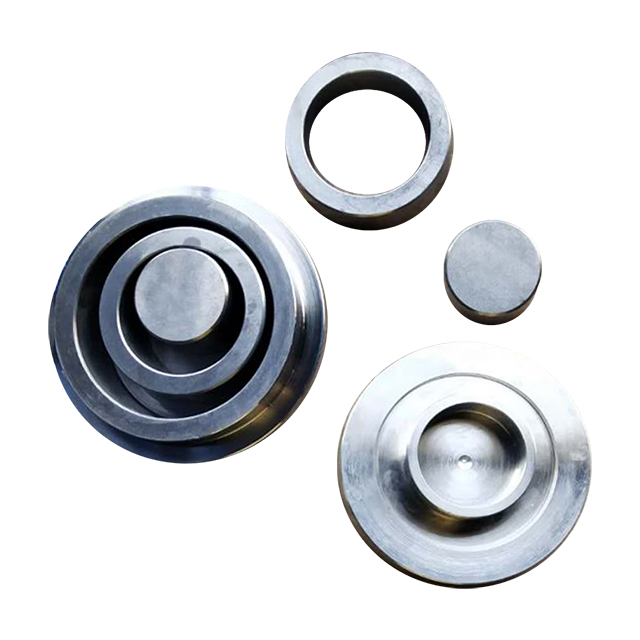
Proper maintenance and care for grinding bowls are essential for ensuring their longevity and optimal performance. Whether used in kitchens, laboratories, or industrial settings, following best practices can help maintain their quality.
Cleaning grinding bowls after each use is crucial to prevent contamination and maintain their effectiveness. Here are some best practices:
● Immediate Cleaning: Clean the bowl immediately after use to prevent residues from hardening. Use warm, soapy water and a soft sponge to avoid scratching the surface.
● Avoid Harsh Chemicals: Steer clear of abrasive cleaners or harsh chemicals, especially for ceramic and stainless steel bowls. These can damage the material and affect the quality of future grinding.
● Drying: After washing, ensure the bowl is thoroughly dried to prevent moisture buildup, which can lead to rust or mold, particularly in metal bowls.
Cleaning Steps:
1. Rinse the bowl with warm water.
2. Apply a mild detergent and scrub gently.
3. Rinse thoroughly to remove all soap residue.
4. Dry completely with a soft cloth.
To extend the lifespan of your grinding bowls, consider these helpful tips:
● Proper Storage: Store grinding bowls in a dry, safe place to avoid chipping or breaking. Using a dedicated shelf or cabinet can prevent accidental damage.
● Regular Usage: Regular use helps maintain the bowl’s integrity. If a bowl is left unused for extended periods, it may develop cracks or lose its effectiveness.
● Avoid Overloading: Do not overload the bowl beyond its capacity. This can lead to damage and reduce its grinding efficiency.
Lifespan Extension Tips:
Tip | Description |
Proper Storage | Keep in a safe, dry location |
Regular Usage | Use consistently to maintain effectiveness |
Avoid Overloading | Limit the amount of material processed at once |
Regular inspections are vital for maintaining the quality and performance of grinding bowls. Manufacturers like Qi Machinery emphasize the importance of adhering to quality management systems. By conducting routine checks, you can identify any wear or damage early on, allowing for timely repairs or replacements.
Inspection Checklist:
● Visual Inspection: Look for cracks, chips, or any signs of wear.
● Functional Testing: Ensure the grinding bowl operates smoothly without unusual noises.
● Material Integrity: Check for rust or corrosion, especially in metal bowls.
By following these maintenance and care guidelines, you can ensure that your grinding bowls remain effective and durable, providing reliable performance across various applications.
Grinding bowls are essential tools known for their versatility and importance across various applications. They play a critical role in culinary, pharmaceutical, and industrial settings.
When selecting a grinding bowl, it's crucial to consider your specific needs. Choosing the right bowl can significantly impact your results.
Remember, investing in high-quality grinding bowls enhances production efficiency and improves material processing. Prioritize quality to achieve the best outcomes.
A: Grinding bowls are typically made from materials like chrome steel, tungsten steel, and ceramic.
A: Clean immediately after use with warm, soapy water. Avoid harsh chemicals and ensure thorough drying.
A: Yes, many grinding bowls are versatile enough for both dry and wet grinding applications.
A: Traditional bowls are often smaller and used in kitchens, while industrial bowls are larger and designed for heavy-duty use.
A: Material choice impacts durability, efficiency, and suitability for different substances being processed.
A: Qi Machinery’s bowls are known for their high-quality materials and robust design, ensuring superior performance and longevity.


