
- All
- Product Name
- Product Keyword
- Product Model
- Product Summary
- Product Description
- Multi Field Search
Views: 0 Author: Site Editor Publish Time: 2026-01-05 Origin: Site
Are you aware of how crucial jaw crusher parts are to the mining industry? These components play a vital role in ensuring efficient operations. In this post, we’ll explore the essentials of jaw crusher parts and their impact on performance, durability, and maintenance.
Understanding the main components of jaw crushers is essential for anyone involved in mining or construction. These machines rely on several key parts to function effectively, ensuring they can handle the demands of crushing various materials. Below, we’ll delve into the critical components that make up a jaw crusher.
1. Jaw Plates
Jaw plates are among the most crucial wear parts in a jaw crusher. They come in two varieties: the fixed jaw plate and the movable jaw plate. The fixed plate remains stationary, while the movable plate swings back and forth. These plates are designed to withstand significant wear and tear, often made from high-quality manganese steel for durability. Their primary function is to crush the material between them, making them vital for efficient operation.
2. Cheek Plates
Cheek plates are located on both sides of the crushing chamber. They protect the mainframe from abrasive wear and help guide the material flow during the crushing process. By preventing material leakage, cheek plates ensure that the crushing action remains effective. They are also typically made from wear-resistant materials to prolong their lifespan.
3. Toggle Plates
Toggle plates are safety features in jaw crushers. They connect the moving components to transmit force during the crushing cycle. If an uncrushable object enters the chamber, the toggle plate is designed to break, preventing damage to more expensive components. This protective mechanism is crucial for maintaining the integrity of the machine.
4. Pitman
The pitman is the main moving part of the jaw crusher. It supports the movable jaw and is driven by the eccentric shaft. The pitman’s movement creates the necessary crushing stroke, allowing the jaw plates to perform their function. It is typically constructed from robust materials to handle the stresses of operation.
5. Eccentric Shaft
This large, hardened steel shaft converts rotational energy from the motor into the reciprocating motion of the pitman. Its design is critical for the smooth operation of the jaw crusher. Any failure in the eccentric shaft can lead to significant operational issues, highlighting its importance in the overall machinery.
6. Flywheels
Flywheels are large, heavy wheels attached to the ends of the eccentric shaft. They store rotational energy, helping to ensure consistent crushing even under heavy loads. By maintaining momentum, flywheels contribute to the efficiency of the jaw crusher, reducing the strain on the motor.
7. Bearings
Bearings support the high-stress rotation of the eccentric shaft. Typically, heavy-duty spherical roller bearings are used to withstand the operational forces. Proper lubrication is essential to prevent overheating and ensure long service life.
Component | Description |
Jaw Plates | Crush materials; fixed and movable types; made from manganese steel. |
Cheek Plates | Protect the mainframe; guide material flow; wear-resistant materials used. |
Toggle Plates | Transmit force; safety feature that breaks under overload conditions. |
Pitman | Main moving part; supports movable jaw; driven by the eccentric shaft. |
Eccentric Shaft | Converts motor energy into motion; critical for operation. |
Flywheels | Store rotational energy; ensure consistent crushing. |
Bearings | Support rotation; require lubrication to prevent failure. |
In summary, each of these components plays a vital role in the performance and reliability of jaw crushers. Understanding their functions helps operators maintain their machines effectively and ensure optimal crushing performance.
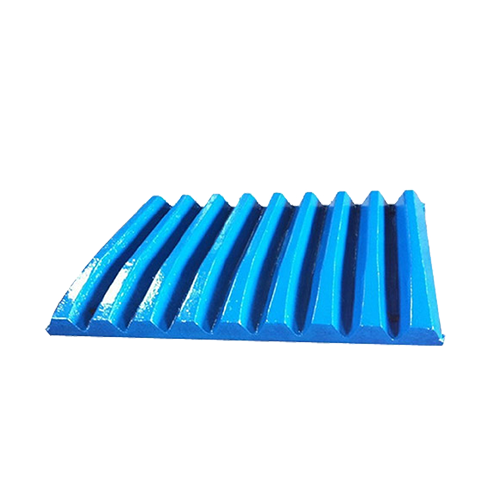
Understanding the different types of jaw crusher parts is crucial for anyone involved in maintaining or operating these machines. Jaw crushers consist of both wear parts and mechanical parts. Each type serves a unique purpose in the overall functionality of the crusher, affecting its efficiency and longevity.
What are wear parts?
Wear parts are components that experience significant wear and tear during operation. They are designed to be replaced regularly due to their exposure to harsh conditions. Key examples include:
● Jaw Plates: These are the primary wear parts, responsible for crushing the material.
● Cheek Plates: Located on the sides, they protect the mainframe from wear and help direct material flow.
What are mechanical parts?
Mechanical parts, on the other hand, are essential for the operation of the jaw crusher but do not wear out as quickly. They include:
● Pitman: The main moving part that supports the movable jaw.
● Eccentric Shaft: Converts motor energy into the reciprocating motion needed for crushing.
Jaw plates are critical wear parts, and understanding their variations can help optimize performance. There are two main types:
1. Fixed Jaw Plates
The fixed jaw plate is stationary and plays a crucial role in the crushing process. It is designed to withstand high levels of stress and is typically made from durable materials like manganese steel.
2. Movable Jaw Plates
The movable jaw plate swings back and forth, creating the crushing action. This part is also subject to significant wear and must be replaced periodically.
Different applications require specific designs of jaw plates. Here are the common variations:
● Standard Jaw Plates: These are designed for general use and provide a good balance between wear resistance and crushing efficiency.
● Corrugated Jaw Plates: These plates have a wavy design that enhances material grip, making them ideal for crushing harder materials.
● Wide-Tooth Jaw Plates: These are used for softer materials, providing a larger surface area for crushing.
Type of Jaw Plate | Description | Best Application |
Standard | General-purpose design; balanced performance. | Versatile crushing tasks. |
Corrugated | Wavy design for better grip; enhances crushing power. | Harder materials like ores. |
Wide-Tooth | Larger surface area for softer materials. | Soft materials like limestone. |
By understanding the differences between wear parts and mechanical parts, as well as the types of jaw plates available, operators can make informed decisions. Choosing the right components can significantly impact the efficiency and longevity of jaw crushers.
The material composition of jaw crusher parts is crucial for their performance and longevity. High-quality materials ensure that these components can withstand the intense pressures and abrasive conditions they face during operation. Let’s explore the materials used in manufacturing these parts and how they influence overall functionality.
Jaw crusher parts are primarily made from various grades of steel, with manganese steel being the most common choice. This material is favored for its high impact strength and resistance to wear. The unique properties of manganese steel allow it to harden under impact, which enhances its durability. Here are some key materials used:
● Manganese Steel: Known for its toughness and wear resistance, it is essential for jaw plates and other wear parts.
● Alloy Steels: These steels may include elements like chromium and nickel to improve hardness and corrosion resistance.
● Cast Iron: Often used for non-wear components due to its excellent machinability and cost-effectiveness.
Manganese steel is a remarkable material for jaw crusher parts. Its benefits include:
● High Impact Strength: It can absorb shocks and impacts without fracturing.
● Wear Resistance: The material hardens when subjected to pressure, extending the life of the parts.
● Versatility: Suitable for various applications, making it a popular choice in the industry.
The quality of materials directly affects the performance of jaw crusher parts. High-quality raw materials enhance wear resistance and toughness, leading to improved operational efficiency. Poor-quality materials can result in premature wear, leading to increased downtime and maintenance costs. Here’s how material quality influences performance:
Quality Aspect | Impact on Performance |
Wear Resistance | Higher resistance leads to longer-lasting parts. |
Toughness | Tougher materials withstand impacts better. |
Machinability | Easier to manufacture precise components. |
Qi Machinery stands out in the industry by utilizing advanced materials in their products. They incorporate specific elements to enhance performance:
● Molybdenum: Improves hardness and strength at high temperatures.
● Nickel: Enhances toughness and resistance to corrosion.
● Rare Earth Lanthanum: Increases wear resistance and overall durability.
By integrating these elements into their manufacturing process, Qi Machinery ensures that their jaw crusher parts are not only durable but also perform efficiently in demanding conditions. This commitment to quality materials translates into better performance and longevity for their customers.
High-quality jaw crusher parts are essential for maximizing efficiency in crushing operations. When these components are made from superior materials and designed with precision, they significantly enhance the overall performance of the machinery. Let’s delve into how these parts improve efficiency and their impact on service life.
High-quality parts lead to more effective crushing operations. For instance, durable jaw plates can handle greater pressure without deforming, allowing for a consistent crushing force. This consistency translates to:
● Increased Throughput: A well-designed jaw plate can crush more material in less time.
● Reduced Downtime: Quality parts experience less wear, leading to fewer replacements and repairs.
● Enhanced Performance: Consistent material quality ensures that the crushing process remains efficient throughout its lifespan.
The impact of using high-quality jaw crusher parts extends beyond immediate efficiency. For example, components made from advanced materials can last significantly longer than their lower-quality counterparts. Here are some key benefits:
Benefit | Description |
Extended Service Life | Quality parts can last several times longer. |
Lower Maintenance Costs | Reduced frequency of repairs and replacements. |
Improved Reliability | Reliable performance under varying operational conditions. |
The composition of materials used in jaw crusher parts can greatly influence their performance. Scientific element ratios, such as the right mix of manganese, nickel, and chromium, enhance specific properties:
● Manganese: Provides wear resistance and hardness.
● Nickel: Improves toughness and impact resistance.
● Chromium: Enhances resistance to corrosion and wear.
These carefully balanced elements create a synergy that results in parts that perform better under stress and last longer in the field.
Qi Machinery is known for producing high-quality jaw crusher parts that excel in various industries. Their products demonstrate the effectiveness of wear-resistant materials. For instance:
● Mining Industry: Their jaw plates withstand the harsh conditions of mineral extraction, reducing downtime significantly.
● Construction Sector: The durability of Qi Machinery's products ensures that construction projects run smoothly, minimizing delays caused by equipment failure.
Industry | Application Example | Performance Advantage |
Mining | Jaw plates for mineral extraction | Reduced wear, longer service life. |
Construction | Jaw crushers used in aggregate production | Increased efficiency, lower maintenance. |
By utilizing high-quality materials and precise engineering, Qi Machinery’s parts not only enhance performance but also contribute to the overall success of various operations. This commitment to quality ensures that their customers achieve optimal results in their crushing processes.
Jaw crusher parts are integral to several industries, serving crucial roles in various applications. Understanding where and how these parts are used can provide insights into their importance and functionality. Let’s explore the primary industries that rely on jaw crusher parts and the specific operational conditions these components must endure.
1. Mining
In the mining sector, jaw crushers are employed to break down large rocks and ores before further processing. The durability of jaw crusher parts is vital here, as they must handle heavy loads and abrasive materials.
2. Quarrying
Quarry operations utilize jaw crushers to process stone and aggregate materials. The parts must withstand continuous operation under high-intensity conditions, making quality and reliability essential.
3. Cement Production
Jaw crushers play a significant role in cement manufacturing by crushing limestone and other raw materials. The ability to handle tough materials while maintaining efficiency is crucial in this industry.
4. Thermal Power
In thermal power plants, jaw crushers are used to crush coal and other fuels. The parts must operate effectively in environments where high temperatures and abrasive materials are common.
Jaw crusher parts face extreme operational conditions, including:
● High-Intensity Impacts: During crushing, parts experience significant forces as materials are broken down. This requires components to be robust enough to absorb shocks without failing.
● Abrasive Materials: The materials being crushed, such as rocks and minerals, can be highly abrasive. This necessitates the use of wear-resistant materials to prolong the lifespan of the parts.
Condition | Description |
Impact Resistance | Parts must endure significant shocks and impacts. |
Wear Resistance | Components need to resist abrasion from hard materials. |
Thermal Stability | Ability to function under high-temperature conditions. |
Qi Machinery’s jaw crusher parts have proven their effectiveness in various real-world applications. Here are some notable examples:
● Mining Efficiency: In a large mining operation, Qi Machinery’s jaw plates were implemented. The result was a 30% increase in throughput due to their enhanced wear resistance and strength, allowing for more material to be processed without frequent replacements.
● Quarry Operations: A quarry using Qi Machinery’s products reported a significant reduction in downtime. Their jaw crushers maintained consistent performance, leading to a 25% increase in operational efficiency. This was attributed to the durability of the jaw plates, which withstood harsh conditions better than previous components.
Industry | Case Study Example | Performance Improvement |
Mining | Increased throughput by 30% with durable jaw plates. | More material processed, fewer replacements. |
Quarrying | Reduced downtime by 25% with reliable jaw crushers. | Enhanced operational efficiency. |
These examples highlight the critical role that high-quality jaw crusher parts play across various industries. Their ability to withstand demanding conditions while improving efficiency makes them invaluable assets in any operation.
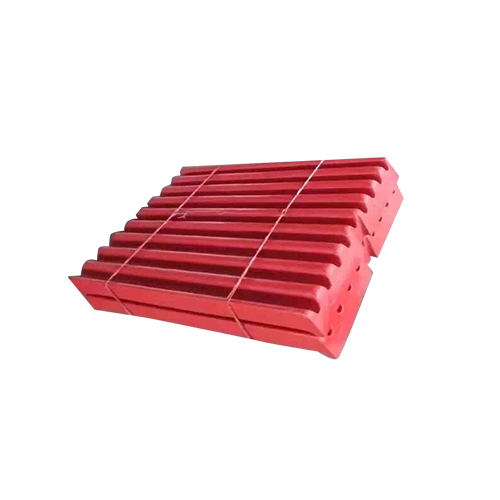
Ensuring the quality of jaw crusher parts is vital for their performance and longevity. At Qi Machinery, a comprehensive quality control system is implemented throughout the manufacturing process. This includes rigorous testing of raw materials, monitoring production, and conducting post-production evaluations. Let’s explore these quality control measures in detail.
Before production begins, raw materials undergo thorough testing to ensure they meet the required standards. Key procedures include:
● Chemical Composition Analysis: This analysis checks the elemental makeup of materials, ensuring they conform to specifications. It helps identify any impurities that could affect performance.
● Physical Property Testing: Tests such as hardness and tensile strength are conducted to evaluate the material's ability to withstand operational stresses. These properties are crucial for the durability of jaw crusher parts.
Test Type | Purpose |
Chemical Analysis | Ensures proper elemental composition. |
Physical Testing | Assesses hardness and tensile strength for durability. |
During the production phase, real-time monitoring is essential for maintaining high standards. This includes:
● Casting Processes: Monitoring the temperature and consistency of molten metal ensures uniformity in the final product. Any deviations can lead to defects in the parts.
● Heat Treatment: This process is critical for enhancing the material's properties. It is closely observed to achieve the desired hardness and toughness.
● Machining Processes: Precision is key in machining. Continuous checks are performed to ensure that dimensions and tolerances are met.
Once production is complete, several testing methods are applied to verify the quality of the jaw crusher parts:
● Mechanical Property Testing: This includes tests for yield strength, elongation, and impact resistance. These characteristics determine how well the parts will perform under stress.
● Non-Destructive Testing (NDT): Techniques such as ultrasonic testing and magnetic particle inspection are used to detect internal flaws without damaging the parts. This ensures that any potential issues are identified before the parts are put into service.
Testing Method | Description |
Mechanical Testing | Evaluates strength, ductility, and impact resistance. |
Non-Destructive Testing (NDT) | Identifies internal defects without damaging parts. |
At Qi Machinery, quality assurance is not just a step in the process; it is a core value. Their rigorous quality control systems include:
● State-of-the-Art Testing Facilities: Equipped with advanced technology, these facilities allow for comprehensive testing of materials and finished products.
● Skilled Quality Control Personnel: Trained professionals oversee all quality control measures, ensuring that every part meets the highest standards before it leaves the facility.
● Continuous Improvement Programs: Feedback from testing results is used to refine processes and enhance product quality continually.
By implementing these quality control measures, Qi Machinery ensures that their jaw crusher parts deliver exceptional performance and reliability, meeting the demands of various industries.
Investing in quality jaw crusher parts is crucial for optimal performance. High-quality, well-manufactured parts improve efficiency and reduce downtime. They withstand harsh conditions, ensuring longevity and reliability.
When choosing a supplier, prioritize reputable manufacturers. Selecting trusted companies like Qi Machinery guarantees you receive durable and efficient products. This choice leads to better operational success in the long run.
A: The average lifespan varies, but high-quality parts can last several years with proper maintenance.
A: Consider the material type, hardness, and the specific application to ensure optimal performance.
A: Yes, aftermarket parts can be cost-effective, but ensure they meet quality standards.
A: Evaluate the supplier's reputation, material quality, and warranty options before purchasing.
A: Qi Machinery offers rigorous quality control, advanced materials, and exceptional customer support.


