
- All
- Product Name
- Product Keyword
- Product Model
- Product Summary
- Product Description
- Multi Field Search
Views: 0 Author: Site Editor Publish Time: 2026-06-05 Origin: Site
Are your crushers running at peak efficiency?Jaw, Cone & Impact Crusher Spare Parts are vital for mining and construction. Poor parts cause costly downtime and repairs. In this post, you’ll learn why high-quality parts matter and how sourcing direct from China saves money and boosts performance.
Jaw crushers rely on several critical spare parts to operate efficiently. The main components include tooth plates, jaw plates, and cheek plates. Tooth plates are the replaceable parts that crush materials by applying pressure. Jaw plates form the primary crushing surfaces, and cheek plates protect the crusher frame from wear caused by material impact. Each part plays a vital role in ensuring the crusher runs smoothly and handles tough materials without failure.
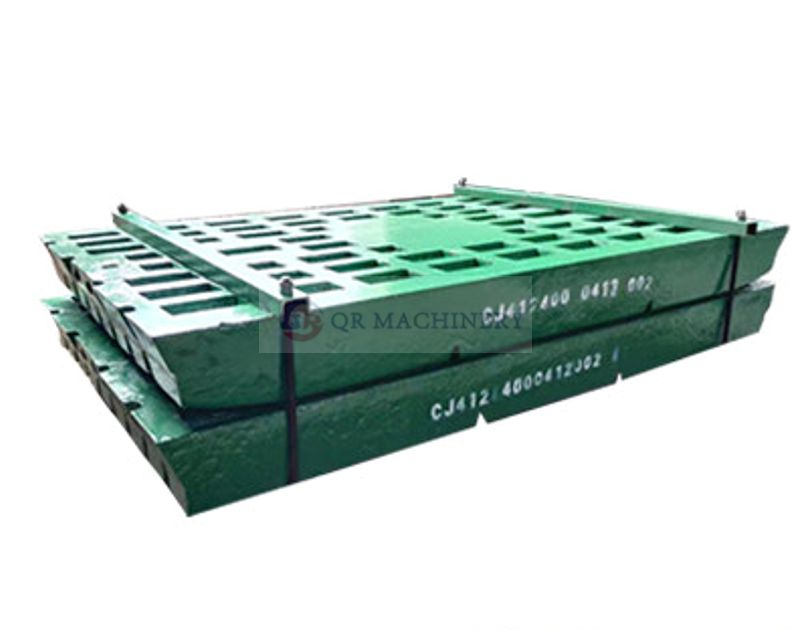
These parts are typically made from high manganese steel alloys, such as ZG Mn13Gr2, ZG Mn18Gr2, and ZG Mn22Gr2. The numbers indicate manganese content, which affects hardness and wear resistance. Higher manganese content generally means better durability for crushing hard rock. Besides these, composite materials are also popular. They combine high manganese steel bases with inlaid elements like titanium carbide alloy rods, ceramic modules, or high-chromium alloy blocks. These composites offer superior wear resistance and longer service life in harsh crushing environments.
Jaw crusher parts can be customized to suit various operating conditions. Different tooth shapes, sizes, and materials are available to optimize performance depending on the material type and hardness. For example, crushing granite or basalt demands parts with high impact resistance and wear strength. Mobile crushing stations often face frequent starts and stops, so parts designed for high impact resistance improve reliability. Manufacturers can tailor parts based on specific needs, enhancing crusher efficiency and reducing downtime.
Wear resistance is crucial for jaw crusher parts because they encounter constant friction and impact. The use of manganese steel alloys and composite materials helps parts withstand abrasive forces. Inlaid carbide bars and ceramic modules increase surface hardness, protecting against wear. Additionally, parts designed to absorb and distribute impact forces reduce the risk of cracks or breakage. These features extend the lifespan of the parts, ensuring continuous operation and lowering replacement costs.
Tip: Choose jaw crusher spare parts made from high manganese steel alloys or composite materials for better wear and impact resistance, especially when crushing hard or abrasive rocks.
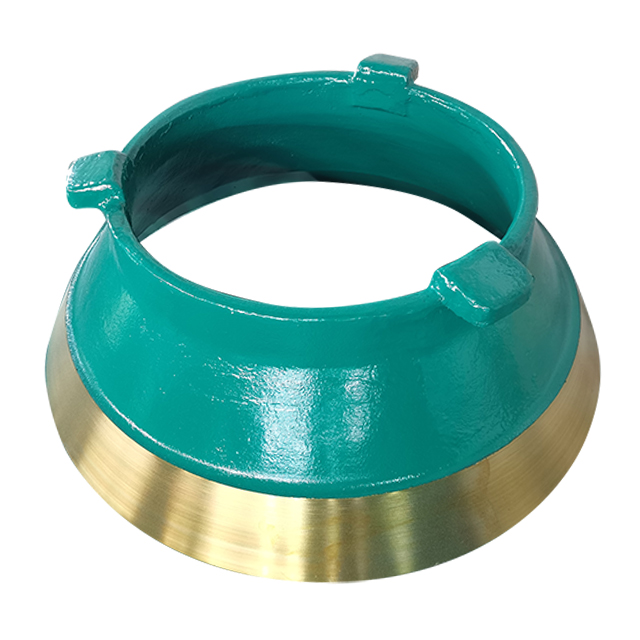
Cone crushers use several key spare parts to keep crushing operations running smoothly. The most common parts include:
Mantle: The moving part that crushes material against the concave.
Concave (or Bowl Liner): The fixed crushing surface.
Eccentric Bushing: Allows the mantle to gyrate.
Main Shaft: Supports the mantle.
Thrust Bearing: Supports the axial load of the main shaft.
Adjustment Ring: Controls the size of the discharge opening.
Drive Gear and Pinion: Transmit power to the crusher.
Each part plays a vital role in the crushing process, ensuring material is broken down efficiently and consistently.
Cone crusher parts face extreme pressure and abrasion. Manufacturers typically use high manganese steel alloys, similar to jaw crusher parts, but often with specific enhancements for cone crushers. Materials like ZG Mn18Cr2 and ZG Mn22Cr2 provide excellent wear resistance and toughness.Some parts also feature composite materials with inlaid carbide or ceramics to boost surface hardness. These materials resist wear longer, reducing downtime and replacement frequency. Heat treatment processes improve toughness and fatigue resistance, helping parts endure constant gyratory motion.
High-quality cone crusher parts improve crushing performance by:
Maintaining consistent crushing chamber shape, which ensures uniform product size.
Reducing downtime through enhanced wear resistance and longer service life.
Improving crushing efficiency by optimizing the mantle and concave design.
Minimizing power consumption due to smooth operation and precise fit.
Properly matched parts reduce vibrations and mechanical stress, which helps protect the crusher’s internal components.
Cone crushers come in many models from different manufacturers like Metso, Sandvik, and others. Spare parts must match exact specifications to fit and function properly.Chinese manufacturers often offer:
Custom-made parts based on OEM drawings or samples.
Material options tailored to specific crushing conditions.
Design modifications to enhance wear life or performance.
This flexibility allows operators to maintain crushers of various brands without compromising quality or performance, often at a more competitive price than original parts.
Tip: When selecting cone crusher spare parts, prioritize materials with proven wear resistance and ensure compatibility with your crusher model to maximize efficiency and reduce maintenance costs.
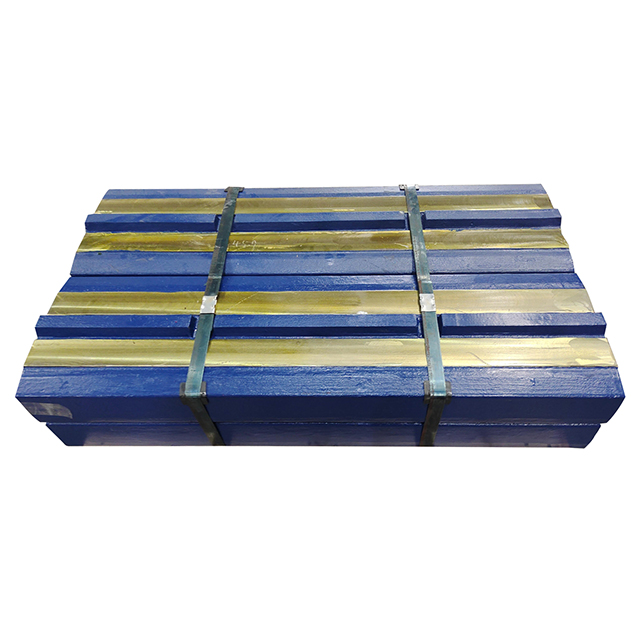
Impact crushers rely on several essential spare parts to maintain efficient crushing operations. These include:
Blow Bars: The primary impact tools that strike and break down materials.
Impact Plates (or Aprons): Fixed plates that receive the blow bars' impact and help crush materials further.
Rotor: The rotating assembly that holds the blow bars and provides the kinetic energy for crushing.
Wear Liners: Protective plates inside the crusher housing to reduce wear caused by material flow.
Hammer Pins and Retainers: Secure the blow bars to the rotor.
Each part plays a crucial role in absorbing impact forces and ensuring consistent material reduction. Proper functioning of these components prevents damage to the crusher frame and optimizes crushing efficiency.
Impact crusher spare parts must endure intense impact and abrasion. Manufacturers typically use high manganese steel alloys for these parts due to their excellent toughness and ability to harden under impact. Common materials include:
ZG Mn13Cr2: Offers good wear resistance and toughness.
ZG Mn18Cr2: Provides enhanced hardness and longer wear life.
ZG Mn22Cr2: High manganese content for extreme wear resistance.
Some parts also incorporate composite materials featuring inlaid carbide or ceramic elements. These enhance surface hardness and extend service life, especially when crushing abrasive or hard materials like granite or basalt.Heat treatment processes further improve toughness and fatigue resistance. This ensures parts resist cracking or deformation during heavy-duty operation.
Choosing between OEM (Original Equipment Manufacturer) and aftermarket impact crusher parts affects performance and longevity.
OEM Parts: Designed and tested by the original crusher maker, ensuring perfect fit and reliable performance. They often come with warranties and meet strict quality standards.
Aftermarket Parts: Produced by third-party manufacturers, usually at lower cost. Quality varies widely; some match OEM standards, while others may compromise durability or fit.
Selecting high-quality aftermarket parts from reputable Chinese manufacturers can offer cost savings without sacrificing performance. However, buyers should verify material specifications, manufacturing processes, and quality inspections.
The quality of impact crusher spare parts directly influences crusher lifespan and operational costs. Poor quality parts wear quickly, causing:
Increased downtime for replacements.
Higher maintenance expenses.
Potential damage to other crusher components.
High-quality parts reduce wear, maintain crushing efficiency, and protect the crusher frame. They also improve safety by minimizing part failures during operation.Investing in durable impact crusher parts ensures consistent production, lowers total cost of ownership, and supports long-term mining or construction projects.
Tip: Always choose impact crusher spare parts made from high manganese steel alloys or advanced composite materials to maximize wear resistance and crusher durability under heavy impact conditions.
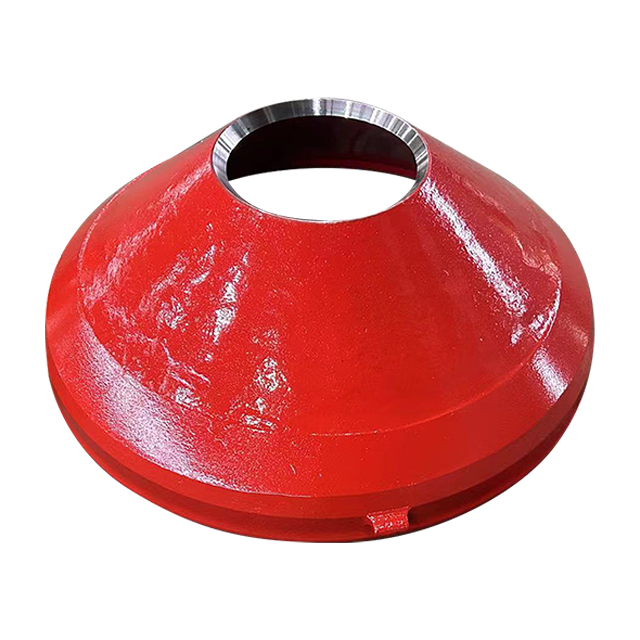
The chemical makeup of crusher spare parts plays a huge role in their durability and performance. Common materials include high manganese steel alloys like ZG Mn13Cr2, ZG Mn18Cr2, and ZG Mn22Cr2. The manganese content directly affects hardness and wear resistance—the higher the manganese, the tougher the part. Carbon, silicon, chromium, phosphorus, and sulfur also influence strength and toughness. For example, a typical ZG Mn18Cr2 alloy contains about 16-19% manganese, 1.05-1.35% carbon, and 1.5-2.5% chromium, giving it excellent wear resistance and impact toughness. Precise control of these elements ensures parts withstand harsh crushing conditions without cracking or deforming.
Metallographic standards help guarantee the internal quality of spare parts. According to GB/T 13925-2010, the evaluation focuses on carbide distribution, which affects wear resistance. The standard limits undissolved carbide to ≤ W3 and precipitation carbide to ≤ X3. Proper carbide control means parts resist abrasive wear better and last longer. Manufacturers use metallographic analysis to check microstructure, ensuring the alloy has the right balance of hardness and toughness. Meeting these standards helps avoid early failure during heavy-duty mining or construction work.
Grain size affects mechanical properties like strength and toughness. The GBT6394 standard guides grain size control for castings used in crusher parts. Typically, manufacturers aim for grain size grades between 2.5 and 4, which balances hardness and impact resistance. Finer grains improve toughness and reduce brittleness, helping parts endure constant impact and abrasion. Controlling grain size during casting and heat treatment ensures consistent quality and performance for jaw, cone, and impact crusher parts.
Recent advances have improved wear resistance significantly. Composite materials combine high manganese steel bases with inlaid elements like titanium carbide alloy rods, ceramic modules, or high-chromium alloy blocks. These inlays create ultra-hard surfaces that resist abrasion and impact far better than traditional alloys alone. For example, inlaid carbide bars on jaw plates extend service life by reducing wear on critical areas. These technologies help crushers handle tougher materials like granite and basalt while minimizing downtime and replacement costs. Manufacturers continue innovating to offer tailored solutions for different crushing conditions.
Tip: Always verify chemical composition and metallographic standards when selecting crusher spare parts to ensure optimal wear resistance and durability under heavy-duty conditions.
The manufacturing process starts with detailed design based on OEM drawings or customer specifications. Engineers create precise patterns and models to ensure parts fit perfectly. Next, the pattern making stage produces molds used for casting. Coating the molds prevents defects during casting. Then comes casting, where molten metal is poured into molds to form rough parts. After cooling, the parts undergo cleaning to remove impurities. Heat treatment follows, enhancing hardness and toughness. The parts then move to grinding and machining workshops to achieve exact dimensions and surface finish. Finally, thorough inspection ensures quality before packing and delivery.
Quality starts with raw materials. Manufacturers test each batch of steel alloys for chemical composition, ensuring elements like manganese, carbon, and chromium meet strict standards. They also check for impurities that could weaken parts. Only materials passing these tests enter production. This step guarantees durability and performance under tough crushing conditions.
Casting uses advanced methods to reduce porosity and defects. Controlled pouring temperature and mold design improve metal flow and solidification. Heat treatment involves processes like quenching and tempering to balance hardness and toughness, preventing brittleness. Machining uses CNC equipment for high precision, ensuring parts meet tight tolerances. This combination of techniques results in wear-resistant, impact-resistant components.
Quality inspection includes ultrasonic testing (UT) and magnetic particle testing (MT) to detect internal cracks and surface flaws. These non-destructive tests comply with international Level II standards. Visual checks ensure surface quality and dimensional accuracy. Metallographic analysis verifies microstructure and grain size. Passing all inspections confirms parts are reliable and ready for harsh mining or construction environments.
Manufacturers offer flexible customization to meet diverse needs. They can adjust material grades, part dimensions, and tooth shapes for specific crushing conditions. This flexibility helps optimize crusher performance and extends part life. Small or large production runs are possible, supporting both OEM replacements and specialized projects.
Tip: Always choose manufacturers that implement strict raw material control, advanced casting, and thorough quality inspections to ensure durable, high-performance crusher spare parts.
Purchasing crusher spare parts directly from China offers significant cost advantages. Chinese manufacturers benefit from lower labor and raw material costs, which translates into more affordable prices for buyers worldwide. Without middlemen or distributors, customers save on extra markups. This direct sourcing approach helps mining and construction companies reduce their operational expenses while maintaining access to high-quality parts. Competitive pricing does not mean sacrificing quality; many Chinese suppliers meet strict international standards.
China's mining equipment industry has rapidly adopted cutting-edge manufacturing technologies. These include precision CNC machining, advanced casting techniques, and sophisticated heat treatment processes. Such technologies ensure parts have consistent dimensions, excellent wear resistance, and high impact toughness. Many manufacturers also implement ultrasonic testing (UT) and magnetic particle testing (MT) to detect flaws early. This technological edge allows Chinese suppliers to produce durable, reliable jaw, cone, and impact crusher spare parts that perform well under harsh conditions.
Chinese manufacturers offer extensive customization capabilities. They can produce parts tailored to specific crusher models or unique operating environments. For example, they adjust tooth plate shapes, sizes, and materials to optimize wear resistance and impact strength based on the crushed material type. Various alloy options, including ZG Mn13Gr2, ZG Mn18Gr2, ZG Mn22Gr2, and composite materials with inlaid carbide, are available. This flexibility helps operators maximize crusher efficiency and extend service life.
Many Chinese suppliers have years of experience serving global clients in mining, construction, and recycling industries. They understand diverse customer needs and comply with international quality and delivery standards. This experience ensures reliable product performance and customer support. Manufacturers often provide OEM and aftermarket parts compatible with major crusher brands like Metso, Sandvik, and others. Their proven track record builds trust among buyers worldwide.
China's robust supply chain infrastructure supports timely delivery of crusher spare parts. Manufacturers maintain adequate inventory and efficient logistics networks, including sea, air, and land transport. They also offer flexible order quantities, from small batches to large-scale production runs. This reliability minimizes downtime caused by part shortages and keeps mining and construction projects on schedule.
Tip: When sourcing crusher spare parts from China, verify manufacturers’ quality certifications and inquire about customization options to ensure parts meet your operational needs and durability expectations.
Regular inspection plays a vital role in keeping jaw, cone, and impact crusher spare parts in top condition. Operators should routinely check key components like tooth plates, jaw plates, mantles, blow bars, and wear liners for signs of wear, cracks, or deformation. Monitoring wear patterns helps detect uneven abrasion early, which can indicate misalignment or improper installation. Using wear gauges or thickness measurements allows timely replacement before parts fail, preventing unexpected downtime. Visual checks combined with scheduled inspections keep crushers running smoothly and safely.
Correct installation ensures spare parts perform as designed. Parts must fit precisely according to OEM specifications or custom designs. Before installation, clean mating surfaces and remove debris or rust. Use recommended tools and torque settings to avoid damage. When replacing parts, remove worn components carefully to prevent harm to the crusher frame. Follow manufacturer guidelines for assembly sequences and lubrication. Improper installation can cause premature wear, vibration, or mechanical failure, so training operators and maintenance staff is essential.
Using high-quality spare parts enhances crusher efficiency and reliability. Parts made from premium manganese steel alloys or composite materials resist wear and impact better than low-grade alternatives. This results in consistent crushing performance, stable product size, and less energy consumption. Quality parts also reduce vibrations and mechanical stress on the crusher, lowering maintenance costs. Choosing parts from reputable manufacturers, especially those offering customization, helps tailor solutions to specific crushing conditions, maximizing output and minimizing downtime.
Preventative maintenance extends crusher spare parts' service life and reduces costly repairs. This includes regular lubrication of bearings and moving parts, checking and tightening bolts, and cleaning dust or debris buildup. Scheduling downtime for thorough inspections and part replacements before failure prevents major breakdowns. Keeping detailed maintenance records helps track part wear trends and plan inventory needs. Operators should also monitor crusher operating parameters like feed size, material hardness, and load to avoid overloading. Proactive care ensures long-lasting, efficient crusher operation.
Tip: Establish a routine inspection and maintenance schedule, combining precise wear monitoring and proper installation, to maximize crusher spare parts lifespan and minimize unexpected downtime.
Maximizing crusher efficiency depends on selecting high-quality jaw, cone, and impact spare parts with superior wear resistance. Chinese manufacturers play a vital role by offering advanced materials, customization, and competitive pricing. Buyers should prioritize parts that meet strict metallurgical standards to ensure durability and performance. For reliable solutions, operators can trust Shuangfeng Qirun Machinery Parts Imp&Exp Co., Ltd., which provides durable, precision-engineered crusher parts tailored to diverse mining and construction needs. Their products enhance crusher lifespan and reduce downtime, delivering excellent value.
A: Jaw, Cone & Impact Crusher Spare Parts include components like tooth plates, mantles, blow bars, and liners essential for efficient crushing operations in mining and construction.
A: High-quality spare parts enhance wear resistance, impact strength, and fit precision, leading to better crushing efficiency, reduced downtime, and longer service life.
A: Direct sourcing from China offers cost-effective pricing, advanced manufacturing, customization options, and reliable supply chains without middlemen.
A: Regular inspection, proper installation, using quality parts, and preventative maintenance extend the service life and ensure consistent crusher performance.
A: Common materials include high manganese steel alloys like ZG Mn13Gr2, ZG Mn18Gr2, ZG Mn22Gr2, and composite materials with inlaid carbide for superior wear and impact resistance.


